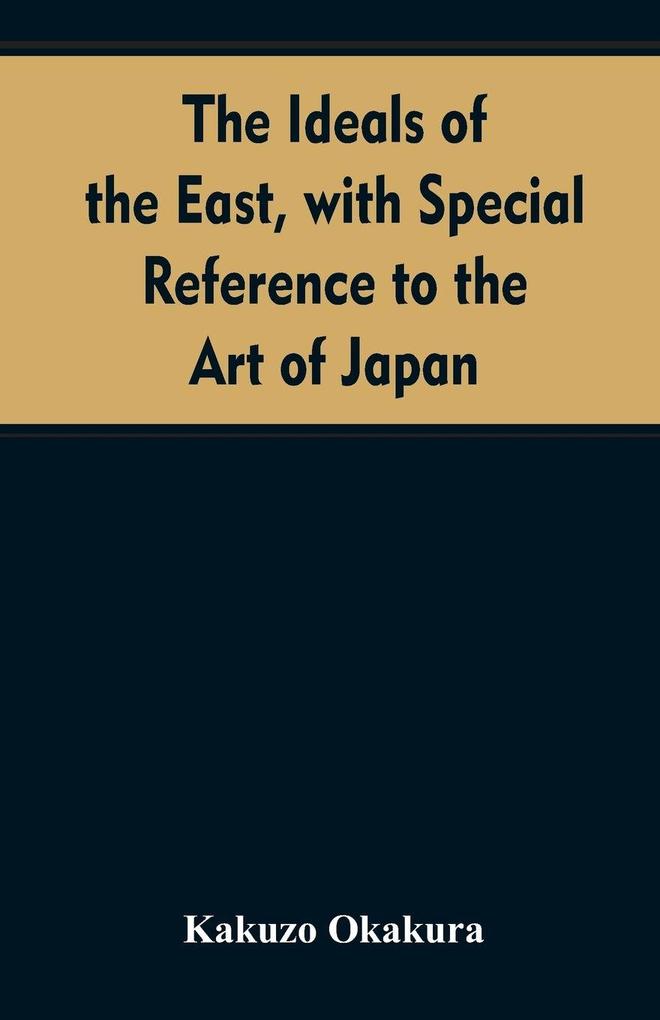
Where does the soul of Asia reside if not in its art? In The Ideals of the East, this Kakuzo Okakura art classic explores how Japanese painting, sculpture and design grew from centuries of spiritual and cultural exchange. These pages still speak. Written at the turn of the century in Meiji period Japan, it reflects on Buddhism and art aesthetics, Shinto reverence for nature and the influence of India and China, shaping a profound philosophy of Japanese art. Both japanese art history book and asian art philosophy book, it invites readers to see East Asia as an interconnected whole rather than a set of isolated nations.
Okakura writes from within an intense east west cultural dialogue, addressing Western audiences in English while defending the continuity and dignity of East Asian aesthetics. For art history students, museum-goers, and thoughtful Book of Tea readers, his insights illuminate how Japanese artists adopted, transformed, and sometimes resisted foreign influences, from ancient temples to modernising cities. As an east Asian aesthetics study grounded in lived tradition rather than abstract theory, it remains a discerning gift for art lovers and a touchstone for anyone curious about Meiji period Japanese art and its wider Asian context. Republished by Alpha Editions in a careful modern edition, this volume preserves the spirit of the original while making it effortless to enjoy today - a heritage title prepared for readers and collectors alike.