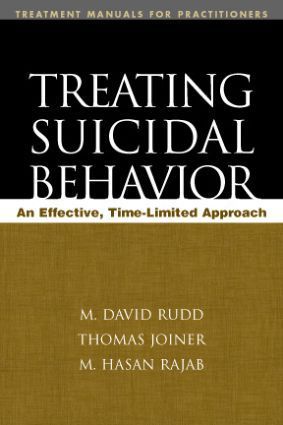
Grounded in a comprehensive model of suicidality, this volume describes an empirically supported cognitive-behavioral treatment approach. The clinician is guided to assess suicidal behavior and implement interventions tailored to the severity, chronicity, and diagnostic complexity of the patient's symptoms. Provided are session-by-session guidelines and clear-cut strategies for defusing the initial crisis; reducing suicidal behavior; restructuring suicide-related beliefs; and building interpersonal assertiveness, distress tolerance, problem solving,and other key skills. A special chapter covers risk assessment. Enhancing the book's utility are tables, figures, and sample handouts and forms, some of which may be reproduced for professional use.
Inhaltsverzeichnis
I. Establishing a Foundation for Treatment
1. What Do We Really Know about Treating Suicidality?: A Critical Review of the Literature
2. A Cognitive-Behavioral Model of Suicidality
3. An Overview of the Treatment Process
II. Assessment and Treatment
4. Treatment Course and Session-by-Session Guidelines
5. The Evaluation Process and the Initial Interviews
6. Assessing Suicide Risk
7. Crisis Intervention and Initial Symptom Management
8. Reducing and Eliminating Suicide-Related Behaviors
9. Cognitive Restructuring: Changing the Suicidal Belief System and Building a Philosophy for Living
10. Skill Building: Developing Adaptive Modes and Ensuring Lasting Change