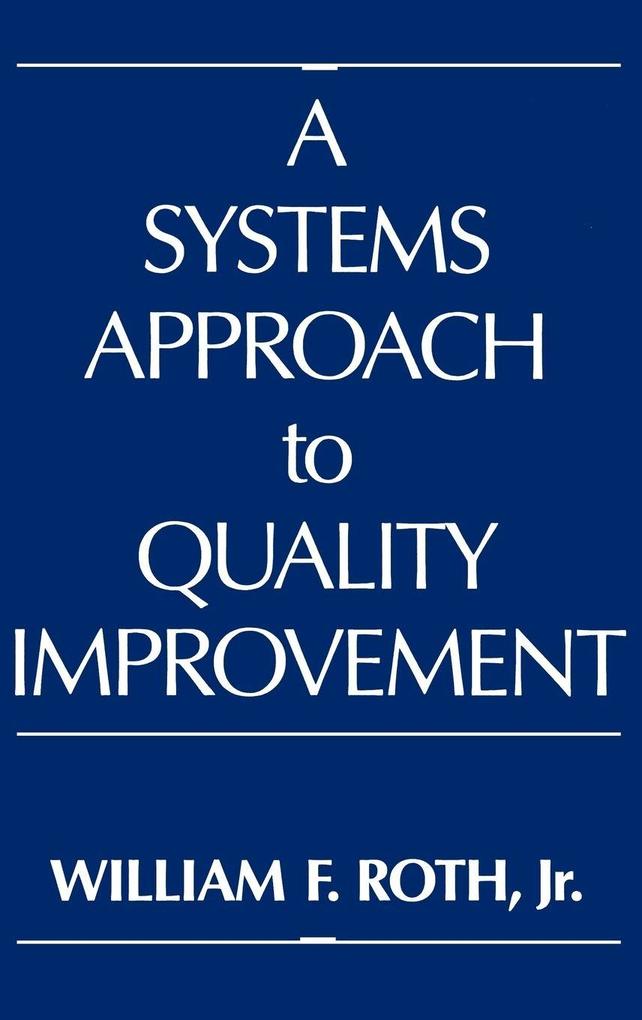
While many quality improvement processes in business have enjoyed initial success, most have eventually failed--not producing the desired long-term results. This is because, though our learning curve is good, we still lack the sophistication requisite to generate the necessary comprehensive whole. This work attempts to help define the ingredients of such a whole. It then offers a case history which allows us to see what happens when the results of these efforts are actually put into place. Finally, it identifies the key obstructions to and long-range societal opportunities resulting from successful implementation of such wholes.
According to Roth, there are five necessary phases to any comprehensive quality process: familiarization, team building, training, introduction to statistical measurement techniques, and long-range planning. In addition, truly open communication at all levels and real and continual, as opposed to verbal, top-level management support are crucial. Roth explores the five phases in detail. He then presents a blow-by-blow description of their emplacement at two major manufacturing facilities. This work should be of interest to quality process heads, human resource managers, manufacturing managers, top level executives, and scholars and students of quality improvement.
Inhaltsverzeichnis
Foreword by Ned Hamson
More than the Sum of its Parts
The Learning Curve
The Five Phases of a Systemic Quality
Improvement Process
Ground Rules--Quality Improvement Process Glue
Trial by Fire
Putting the Pieces Together
Getting the Ball Rolling
Keeping Things Going
The Long Haul
Reward Time
Finishing Up
A Different Situation
Critical Mass is Achieved
Idealizing a Quality Ending
Obstructions and Opportunities: So Near and Yet So Far
The Corporate Elite versus Quality
Unions Rethink Their Role
Education Joins the Team
Bibliography
Index