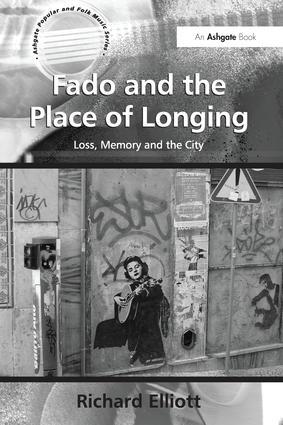
Fado, often described as 'urban folk music', emerged from the streets of Lisbon in the mid-nineteenth century and went on to become Portugal's 'national' music during the twentieth. It is known for its strong emphasis on loss, memory and nostalgia within its song texts, which often refer to absent people and places. One of the main lyrical themes of fado is the city itself. Richard Elliott explores the ways in which fado acts as a cultural product reaffirming local identity via recourse to social memory and an imagined community.
Inhaltsverzeichnis
Contents: Introduction; Songs of disquiet: mythology, ontology, ideology, fadology; Taking place: the role of the city in fado; 'Trago fado nos sentidos': memory, witnessing and testimony in fado; New citizens of the fadista world; Tudo isto ainda é fado? Fado as local and global practice; Bibliography; Discography; Videography; Index.