







Das eBook.de Hörbuch Abo - jederzeit, überall, für nur 7,95 € monatlich!
Jetzt entdecken
mehr erfahren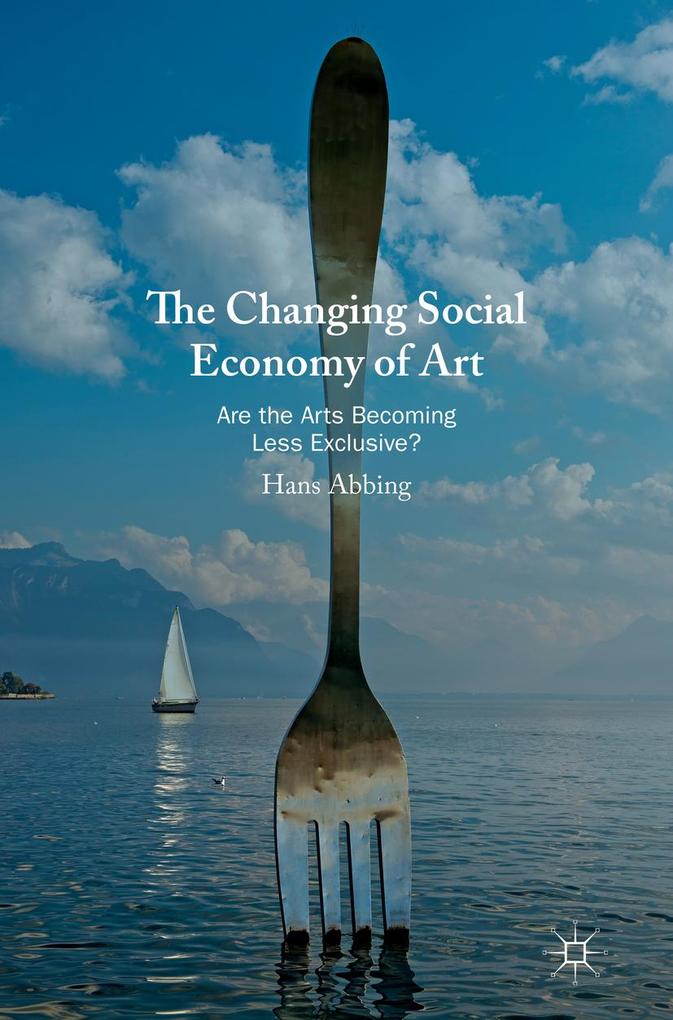
Is art for everybody? Why do art lovers attach so much value to authenticity, autonomy and authorship? Why did the arts become so serious in the first place? Why do many artists reject commerce and cultural entrepreneurship? Crucially, are any of the answers to these questions currently changing? Hans Abbing is uniquely placed to answer such questions, and, drawing on his experiences as an economist and sociologist as well as a professional artist, in this volume he addresses them head on.
Inhaltsverzeichnis
Chapter 1: Preface. - Chapter 2: The Triumph of Serious Art. - Chapter 3: Authentic Art and Artists. - Chapter 4: Exclusion. -Chapter 5: Distrust of Commerce and Commercialism. - Chapter 6: Sharing Art. - Chapter 7: Conclusion.
It is striking how much data Abbing has covered and examined in this book dedicated to the changes in the social and economic relations in the world of serious art. This is why I think this book is a goldmine for a researcher interested in the dynamic creative and commercial circumstances in which serious art was put after its dominance has gradually diminished throughout the 20th century. (Dušan Milenkovi , Popular Inquiry, Vol. 2, 2021)
This is presented in a kind of textbook form. It is aimed at students and others who want to learn, has lots of summary-like headings throughout, with breakout-sections, `asides and QR links to a webpage where more `data can be found. (Justin O Connor, Journal of Cultural Economics, Vol. 45, 2021)
Es wurden noch keine Bewertungen abgegeben. Schreiben Sie die erste Bewertung zu "The Changing Social Economy of Art" und helfen Sie damit anderen bei der Kaufentscheidung.