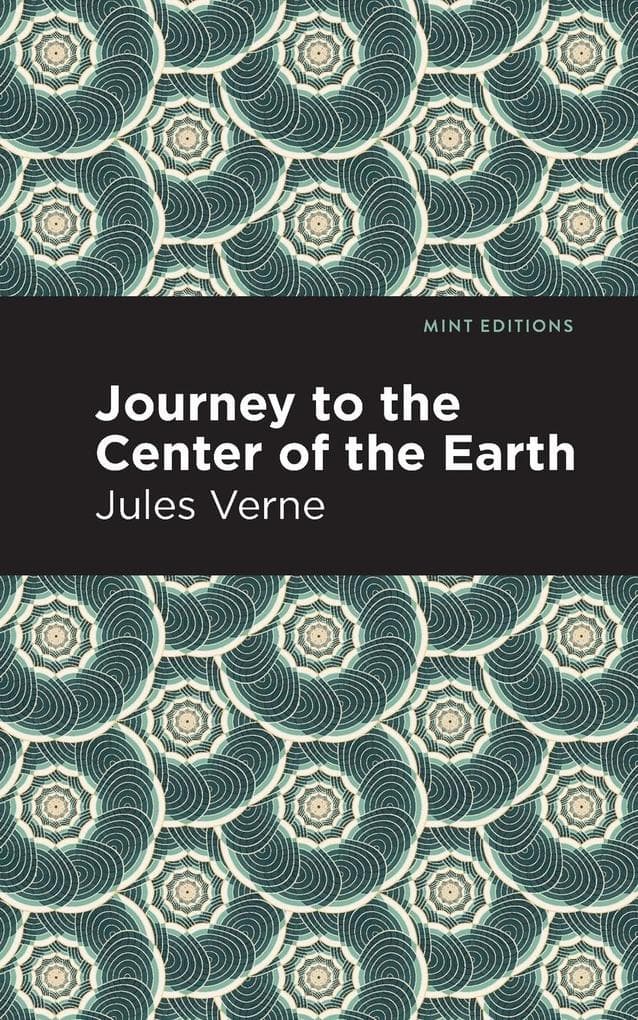
Jules Verne (1828-1905) was a French novelist, poet, playwright, and one of the most influential authors in the history of adventure fiction and science fiction. Born in Nantes, France, a port city whose ships and maritime life helped shape his imagination, Verne studied law in Paris but turned increasingly toward literature, theater, journalism, and popular science. His fascination with geography, exploration, technology, and travel became the foundation of the extraordinary body of fiction that made him famous around the world.Verne is best known for the series often called the Voyages extraordinaires, published by Pierre-Jules Hetzel, which combined adventure storytelling with scientific speculation and global exploration. His most famous works include Journey to the Center of the Earth, From the Earth to the Moon, Around the World in Eighty Days, The Mysterious Island, Michael Strogoff, and 20,000 Leagues Under the Sea. His novels helped popularize the idea that fiction could turn modern science, machinery, and discovery into wonder, suspense, and adventure.Although Verne is often called a father of science fiction, his work also belongs to the broader traditions of adventure fiction, travel literature, scientific romance, and nineteenth-century popular storytelling. His influence reaches across literature, film, television, comics, exploration writing, and the public imagination of invention itself. Captain Nemo, the Nautilus, lunar voyages, underground seas, and global races against time remain part of the enduring mythology of modern adventure.