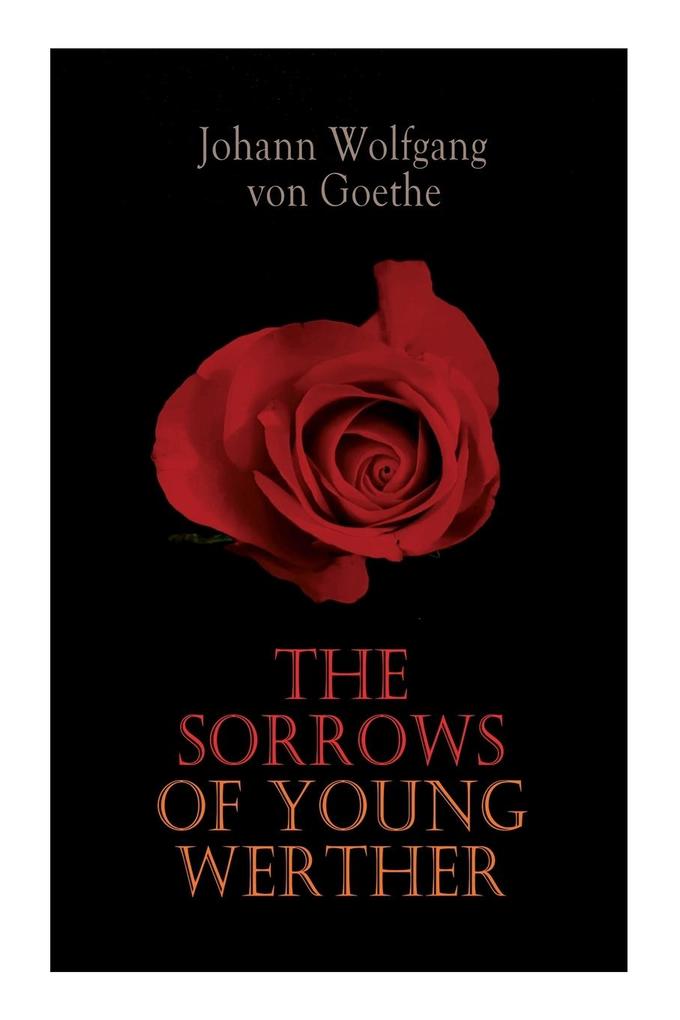
In "The Sorrows of Young Werther," Johann Wolfgang von Goethe presents a poignant exploration of unrequited love and the turbulence of youthful emotion. Written in an epistolary style, the novel chronicles Werther's passionate yet doomed affection for the engaged Charlotte, illuminating the Romantic spirit with its vivid portrayal of emotional intensity and nature's influence on the human experience. Goethe deftly captures the angst of the era, engaging with themes of individuality, societal constraints, and the transformative power of art, situating his work within the broader context of German Sturm und Drang literary movement. Goethe, a polymath and central figure of German literature, drew upon his own tumultuous experiences and deep philosophical inquiries in crafting this seminal work. The novel emerged during his early adulthood, a period marked not only by personal challenges and romantic entanglements but also by the intellectual currents shaping Europe. His formative years and exposure to various artistic philosophies reflect his desire to articulate the complexities of human emotion. For readers seeking an intimate and unflinching examination of love's trials, "The Sorrows of Young Werther" serves as an essential text. Goethe's lyrical prose and profound emotional depth resonate across generations, making this work a critical exploration for anyone interested in the human condition and the legacy of Romantic literature.