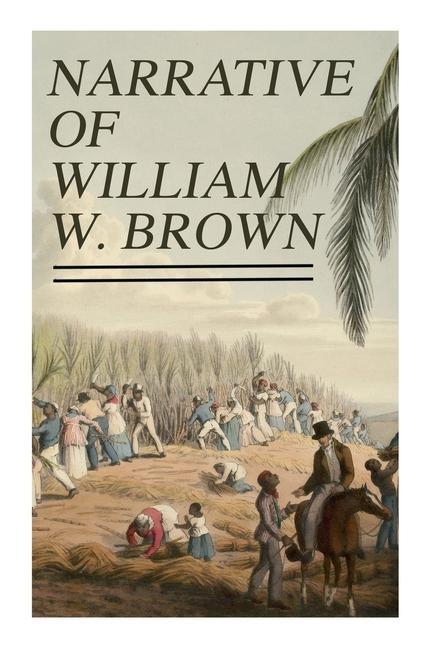
In his seminal work, "Narrative of William W. Brown," William Wells Brown presents a gripping and poignant account of his life as a fugitive slave and his eventual quest for freedom. Written in an engaging first-person narrative style, this autobiographical text serves not only as a personal memoir but also as a powerful abolitionist document. Brown's eloquent prose, infused with emotional depth, highlights the inhumane realities of slavery while simultaneously promoting the ideals of human dignity and autonomy. His reflections resonate within the broader 19th-century context of American literature, which increasingly began to confront the moral dilemmas surrounding slavery and the fight for social justice. William Wells Brown, a former enslaved person who escaped to freedom, became a prominent figure in the abolitionist movement. His experiences deeply informed his writing, lending authenticity and immediacy to his narrative. Brown's transition from slavery to becoming a lecturer and novelist was fueled by his commitment to raising awareness about the plight of African Americans; his works are indispensable in understanding both the literary and historical context of the antebellum period. This narrative is recommended for anyone seeking to understand the complexities of American history and the literary movements that arose from it. Readers will find in Brown's writing not just a tale of survival, but a clarion call for justice and humanity that remains relevant today.