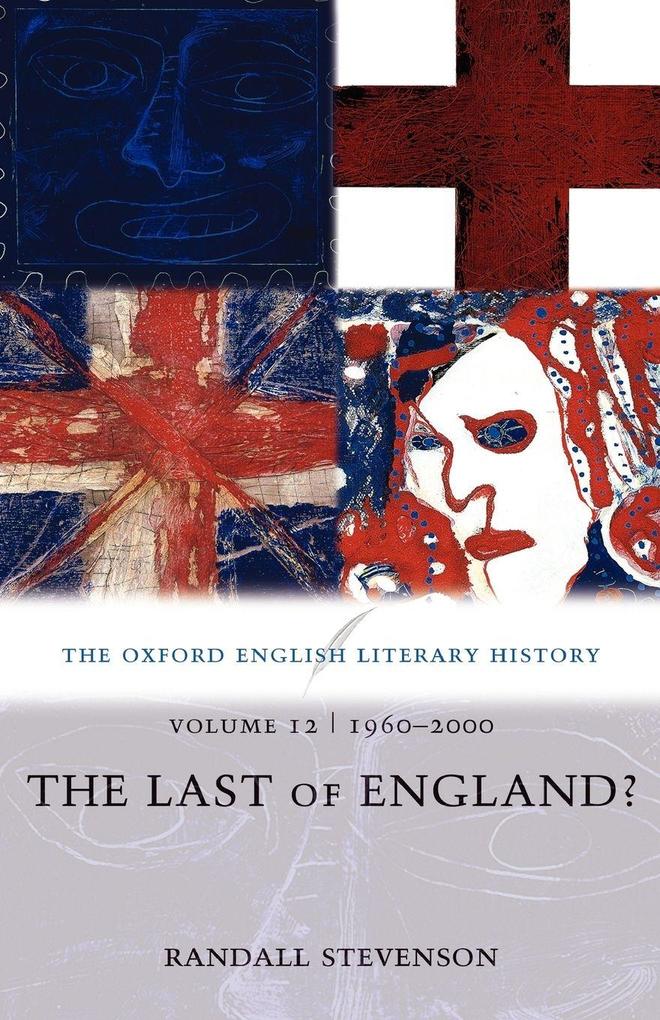
Comprehensively charting developments in the literary field since 1960, Randall Stevenson pinpoints the origins of literary change in the historical, social, and intellectual pressures of the times - to shadows of war and loss of empire; declining influences of class; shifting relations between the genders; emergent minority and counter-cultures; and the broadening democratisation of contemporary life in general. Lucid, accessible, and engaging, this volume of the Oxford English Literary History presents a unique illumination of its age - one we have lived through, but are just beginning to understand. The first full account of its period, it will set the agenda for discussion of late twentieth-century literature for many years to come.
The Oxford English Literary History is the new century's definitive account of a rich and diverse literary heritage that stretches back for a millennium and more.
Each of these groundbreaking volumes offers a leading scholar's considered assessment of the authors, works, cultural traditions, events, and ideas that shaped the literary voices of their age. The series will enlighten and inspire not only everyone studying, teaching, and researching in English
Literature, but all serious readers.
In the 1960s literature began to throw off its post-war weariness. New voices, new visions, and new commitments emerged and continued to reshape writing profoundly and excitingly throughout the rest of the century. Critics have scarcely begun to chart the scale and diversity of these changes. This
new volume in The Oxford English Literary History maps them comprehensively. It also identifies the historical, social and intellectual pressures which brought them about. Throughout, literary developments are dexterously related to the wider evolution of English experience in the late twentieth
century--to shadows of war and loss of empire; declining influences of class; shifting relations between the genders; emergent minority and counter-cultures; the broadening democratization of contemporary life in general. Analyses of the rise of literary theory, of publishing and the book trade, and
of the pervasive influences of modernism and postmodernism contribute further to an impressively comprehensive, insightful account of this period--a far more imaginative and exciting one for English writing than has yet been generally recognized.
Inhaltsverzeichnis
- Introduction: Last Things First
- I. Histories
- 1: 'Gleaming Twilight': Literature, Culture, and Society
- 2: A Postmodern Age? Literature, Ideas, and Traditions
- 3: An Age of Theory? Critics, Readers, and Authors
- 4: A Golden Age? Readers, Authors, and the Book Trade
- II. Poetry
- 5: Movement or Revival: The late 1950s to the 1980s
- 6: Counter-movements and Modernist Memories: 1960 to the 1980s
- 7: Politics and Postmodernism: The Late 1970s to 2000
- 8: Rosebay Revived: Language, Form, and Audience for 'This Unpopular Art'
- III. Drama
- 9: A Public Art Form: The late 1950s to the 1970s
- 10: Last Year in Jerusalem: Politics and Performance after 1968
- 11: 'Real Revolutionaries': Politics and the Margins
- 12: Absurdism, Postmodernism, Individualism
- 13: Discovering the Body
- 14: Revolution, Television, Subsidy
- IV. Narrative
- 15: To the Crossroads: Style and Society in the 1960s and 1970s
- 16: A Darker Route: Morality and History in the 1960s and 1970s
- 17: Longer Shadows and Darkness Risible: The 1970s to 2000
- 18: 'Double Lives': Women's Writing and Gender Difference
- 19: 'The Century of Strangers': Travellers and Migrants
- 20: Genres, Carnivals, and Conclusions
- Author Bibliographies
- Suggestions for Further Reading
- Preface
- I. Histories
- 1: 'Gleaming Twilight' - Literature, Culture, and Society
- 2: A Postmodern Age? - Literature, Ideas, and Traditions
- 3: An Age of Theory? - Critics, Readers, and Authors
- 4: A Golden Age? - Readers, Authors, and the Book Trade
- II. Poetry
- 5: Movement or Revival - the late 1950s to the 1980s
- 6: Movements and Counter-Movements - the 1960s to the 1980s
- 7: Politics and Postmodernism - the late 1970s to 2000
- 8: Rosebay Revived - Language, Form, and Audience for 'This Unpopular Art'
- III. Drama
- 9: A Public Art Form - the late 1950s to the 1970s
- 10: Last Year in Jerulsalem - Politics and Performance after 1968
- 11: 'Real Revolutionaries' - Politics and the Margins
- 12: Absurdism, Postmodernism, Individualism
- 13: Discovering the Body
- 14: Revolution, Television, Subsidy
- IV. Narrative
- 15: To the Crossroads - Style and Society in the 1960s and 1970s
- 16: A Darker Route - Moral and Historical Vision in the 1960s and 1970s
- 17: Longer Shadows and Darkness Risible - the 1970s to 2000
- 18: 'Double Lives' - Women's Writing and Gender Difference
- 19: 'The Century of Strangers' - Travellers and Migrants
- 20: Genres, Carnivals, and Conclusions
- Author Bibliographies
- Suggestions for Further Reading
- Works Cited
- Index