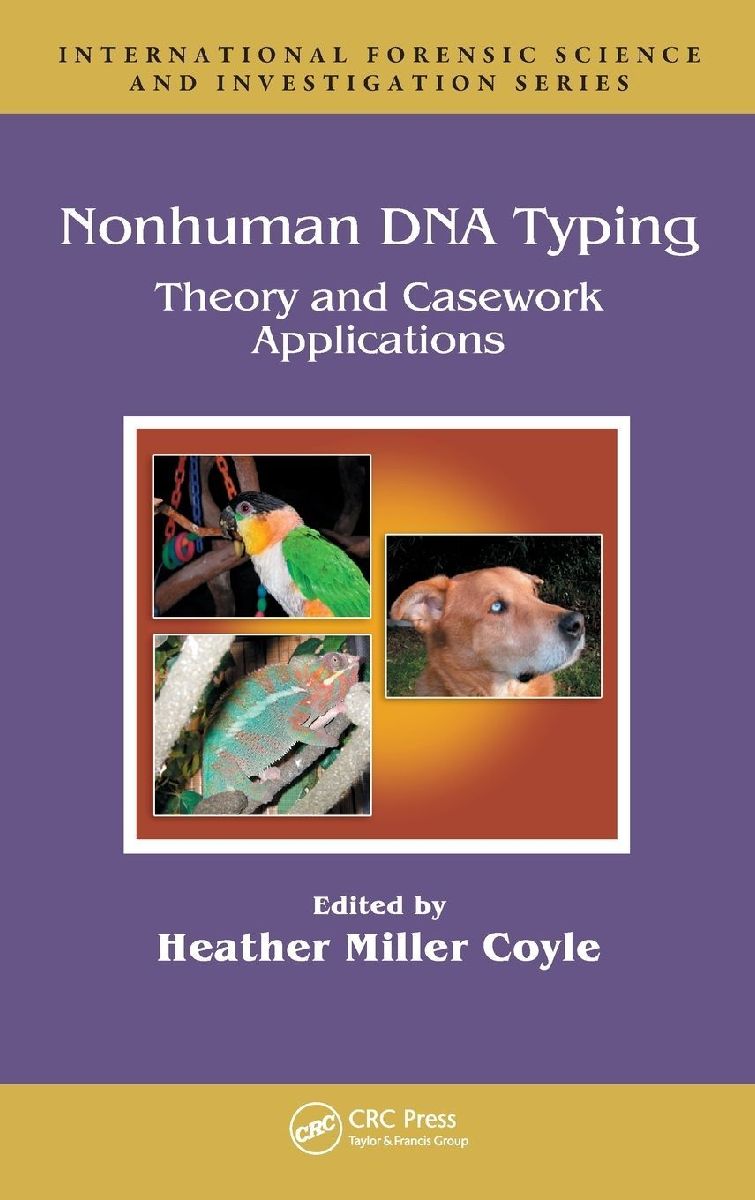
Combining science, case examples, legal decisions, and references, Non-Human DNA Typing: Theory and Casework Applications provides an introduction to the basic science underlying the emerging field of non-human DNA typing. It demonstrates the recognition, collection, and preservation of biological evidence, techniques of DNA fingerprinting, and DNA profiling. The author describes the STR analysis of canine and feline samples, insects, and fungi and their function as evidence. Chapters consider the development of methods in testing animal evidence, soil DNA typing, and the use of DNA typing in wildlife investigations. A useful appendix includes an overview of the history of forensic serology and DNA.
Inhaltsverzeichnis
An Introduction to Forensic Science and DNA, Collection and Preservation of Biological Evidence from the Crime Scene, Techniques of DNA Fingerprinting, Forensic Canine STR Analysis, STR Based Forensic Analysis of Felid Samples from Domestic and Exotic Cats, An Overview of Insect Evidence in Forensic Science, Use of Forensic DNA Typing in Wildlife Investigations, DNA Testing of Animal Evidence - Case Examples and Method Development Basics of Forensic Fungi, Soil DNA Typing in Forensic Science, DNA Profiling: The Ability to Predict an Image from a DNA Profile, APPENDIX: A Brief History of Forensic Serology and DNA,