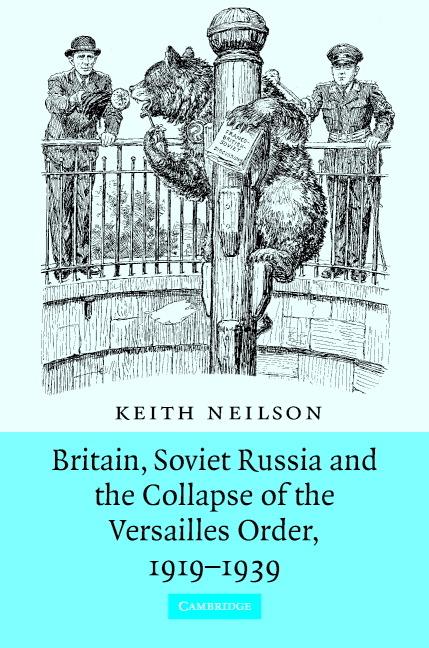
A major re-interpretation of international relations in the period from 1919 to 1939, one that treats the standard explanation for the failure to prevent the Second World War - the appeasement of Germany and Japan by guilty men - as simplistic. Instead, it argues that the new world order created in 1919 provided inadequate means - the League of Nations, arms control and public censure - to deal with the ideological threats of Communism, Nazism, fascism and Japanese expansionism.
Inhaltsverzeichnis
Introduction; 1. The period of persuasion: British strategic foreign policy and Soviet Russia, 1919-33; 2. 1933-4: parallel interests? ; 3. A clash of sensibilities: January to June 1935; 4. Complications and choices: July 1935-February 1936; 5. Soviet Russian assertiveness: February 1936-July 1937; 6. Chamberlain's interlude: May 1937-September 1938; 7. Chamberlain as Buridan's ass: October 1938-September 1939; Conclusion.