In a group of five pyramids at Sakkara, the tombs of Egypt's Fifth- and Sixth-Dynasty pharaohs, who
ruled from about 2650 to 2475 B. C, is preserved as the largest body of inscriptions known anywhere
from that remote age. These mortuary and religious texts not only present through their allusions an
invaluable commentary on early Egyptian civilization, but they reveal the earliest discernible phases of
man's thoughts on the great problems of cosmic origin and human destiny. Here lie the occurrences of
divine names and epithets. Differentiation of independent deities from the mass proved a rather
arbitrary matter. Not only do various types of supernatural beings appear, from the great. Cosmic
powers down to representative of the animal and vegetable world geographic incarnations, and even
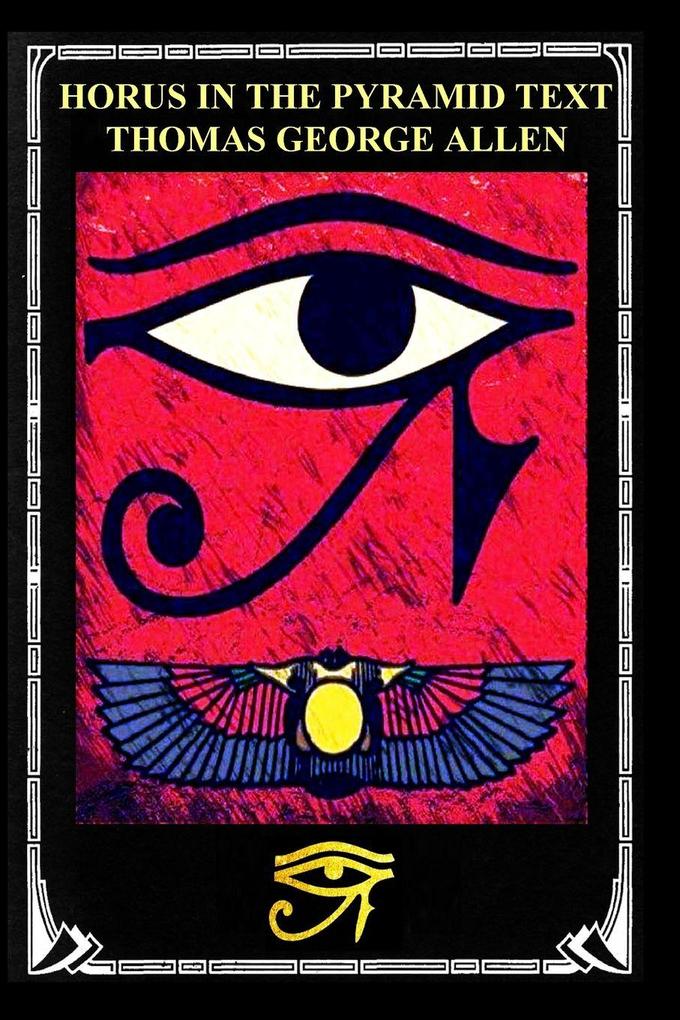
inanimate objects. These texts shed light on The most detailed myth traceable is that which records how
Horus was born to Isis in Khemmis, fought with Set in his young manhood, and after recovering his
eye? which Set. had taken and swallowed, bestowed it upon his father Osiris. The judicial proceedings
that ensued at Heliopolis seem to have been a trial of Horus himself or, again, concerned the eye. They
resulted in any case in the defeat of Set. Please visit our website copy and paste the link:
https://saucerianbooks.blogspot.com/