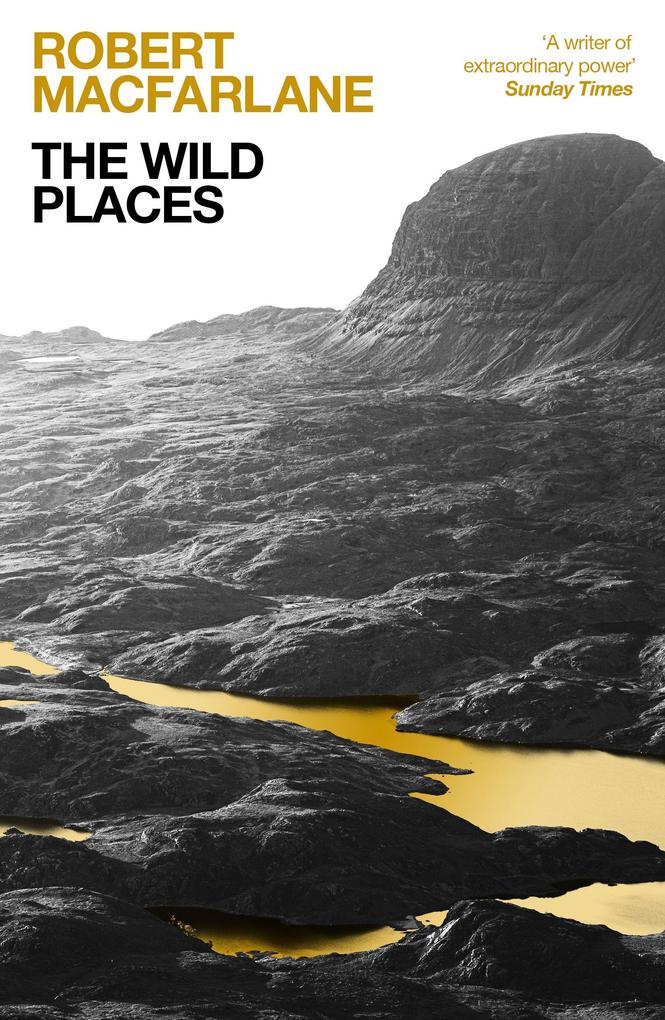
The Wild Places is both an intellectual and a physical journey, and Macfarlane travels in time as well as space. Guided by monks, questers, scientists, philosophers, poets and artists, both living and dead, he explores our changing ideas of the wild. From the cliffs of Cape Wrath to the holloways of Dorset, the storm-beaches of Norfolk, the salt marshes and estuaries of Essex and the moors of Rannoch and the Pennines, his journeys become the conductors of people and cultures, past and present, who have had intense relationships with these places. Certain birds, animals, trees and objects - snow-hares, falcons, beeches, crows, suns, white stones - recur, and as it progresses this densely patterned book begins to bind tighter and tighter. At once a wonder voyage, an adventure story, an exercise in visionary cartography, and a work of natural history, The Wild Places is written in a style and a form as unusual as the places with which it is concerned. It also tells the story of a friendship, and of a loss. It mixes history, memory and landscape in a strange and beautiful evocation of wildness and its vital importance. Wo gibt es heute noch Wildnis ? fragt sich Robert Macfarlane, als er den Straßenatlas ausbreitet und beschließt, die letzten unberührten Flecken Natur zu finden, die sich hinter den Schraffuren und Linien, Farben und Symbolen fernab der Schnellstraßen verstecken: abgelegene Inseln und verborgene Gebirge, unwegsame Moore und undurchdringliche Wälder. Seine Suche führt ihn von den schroffen Klippen im Norden Schottlands zu den verwunschenen Hohlwegen Südenglands, von der kargen Kalksteinlandschaft Westirlands zu den stürmischen Stränden Norfolks. Macfarlane durchschwimmt brandende See und stehende Gewässer, erklimmt steile Hänge und windumtoste Gipfel, oft an den Grenzen der Belastbarkeit, um am eigenen Leibe zu erfahren, was Wildnis ist - und liest die Berichte derjenigen, die diese Orte vor ihm aufsuchten: Pilger und Philosophen, Forscher und Literaten. Was als Reise zur ungezähmten Natur begann, wird zum lebendigen Streifzug durch Raum und Zeit, der geologische wie kulturhistorische Schichten gleichermaßen durchstößt und auch vor der Wildnis der Städte nicht die Augen verschließt. Am Ende entsteht tatsächlich eine 'Karte der Wildnis', eine sprachmächtige Einladung zum Staunen, wie nah das Ferne, Fremde, Wilde uns immer noch ist.