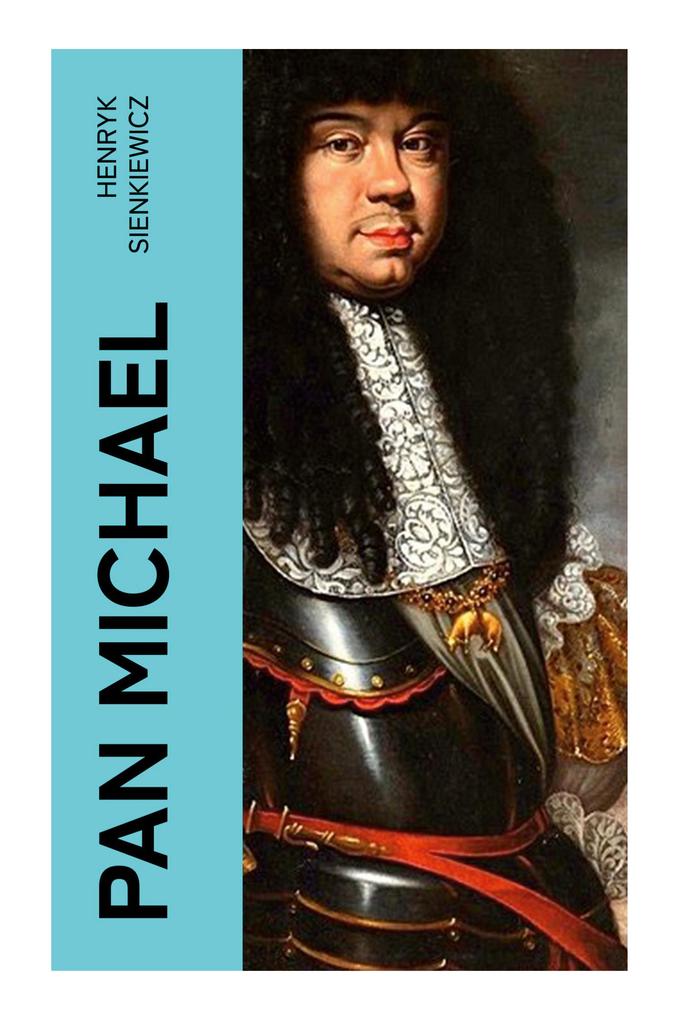
Henryk Sienkiewicz's Pan Michael, the concluding volume of his celebrated Trilogy, returns readers to the embattled Polish-Lithuanian Commonwealth of the seventeenth century, where private devotion and public duty are inseparably entwined. Centered on the diminutive yet heroic swordsman Michal Wolodyjowski, the novel blends romance, military adventure, patriotic epic, and historical reconstruction. Its vigorous narrative style, rich dialogue, and sweeping set pieces place it firmly within nineteenth-century historical fiction, while its elegiac tone reflects a nation contemplating past glory under foreign partition. Sienkiewicz, later awarded the Nobel Prize in Literature, wrote from the perspective of a Polish intellectual living under imperial domination. His historical novels were conceived not merely as entertainment but as acts of cultural preservation, strengthening national memory through stories of courage, sacrifice, and communal identity. In Pan Michael, his fascination with martial honor and moral steadfastness becomes especially poignant, shaped by both archival imagination and patriotic urgency. This book is recommended to readers who value expansive historical fiction animated by ethical seriousness and narrative momentum. It will particularly reward those interested in Eastern European history, heroic romance, and literature's power to sustain national consciousness.