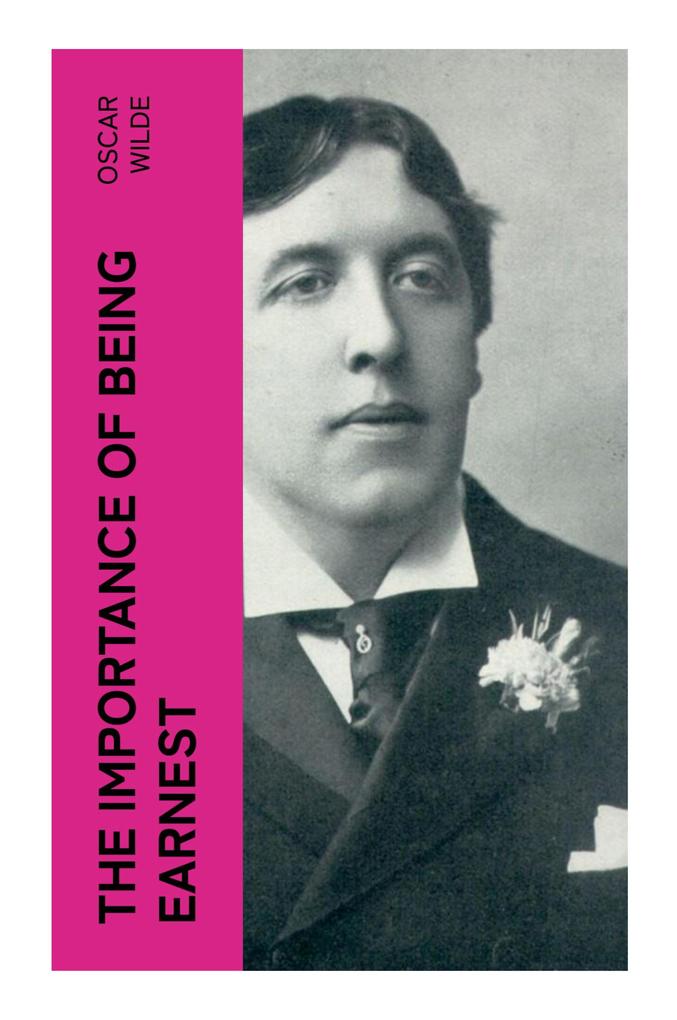
First performed in 1895, The Importance of Being Earnest is Oscar Wilde's most dazzling comedy of manners, a play in which mistaken identities, invented relatives, and linguistic paradox expose the absurdities of late-Victorian respectability. Its plot, centered on Jack Worthing and Algernon Moncrieff's double lives, is less a vehicle for moral instruction than a brilliant mechanism for wit. Wilde refines farce into verbal art, placing the play within the tradition of Restoration comedy while sharpening it for a fin-de-siècle audience. Oscar Wilde, Irish-born dramatist, critic, poet, and aesthete, wrote the play at the height of his theatrical success and just before his public downfall. His lifelong fascination with masks, performance, social hypocrisy, and the autonomy of art informs every scene. Educated at Trinity College Dublin and Oxford, Wilde transformed classical learning and modern decadence into a style both elegant and subversive. This play is essential reading for anyone interested in comedy, Victorian culture, or the power of language to unsettle convention. It remains irresistibly entertaining, but its brilliance lies in how lightly it carries its critique: every joke is also an indictment.