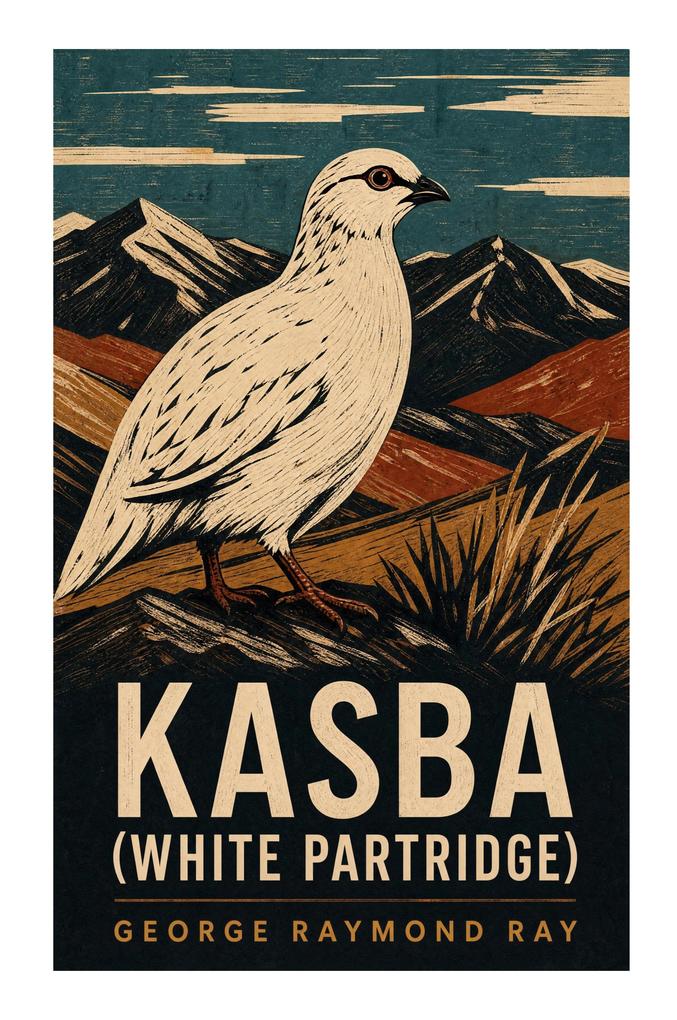
Kasba (White Partridge) is best understood as a work of literary naturalism shaped by the animal-story tradition, centering on the life, instincts, and perils of its titular bird. Through close attention to habitat, movement, seasonal change, and the drama of survival, the book turns a seemingly modest creature into the subject of moral and ecological significance. Its style is lucid, descriptive, and quietly didactic, aligning it with nature narratives that seek both to instruct and to cultivate sympathy for nonhuman life. George Raymond Ray appears here as a writer attentive to the educative power of the natural world. The choice of a white partridge as protagonist suggests an author drawn to overlooked forms of wild intelligence and resilience. His work reflects a period in which animal-centered literature often bridged science, adventure, and ethical reflection, inviting readers to see nature not as scenery but as a living community. This book is recommended for readers interested in classic animal fiction, natural history, and environmentally sensitive storytelling. Kasba (White Partridge) rewards patient reading with its precise observation, humane imagination, and enduring reminder that even the smallest wild life may carry narrative dignity.