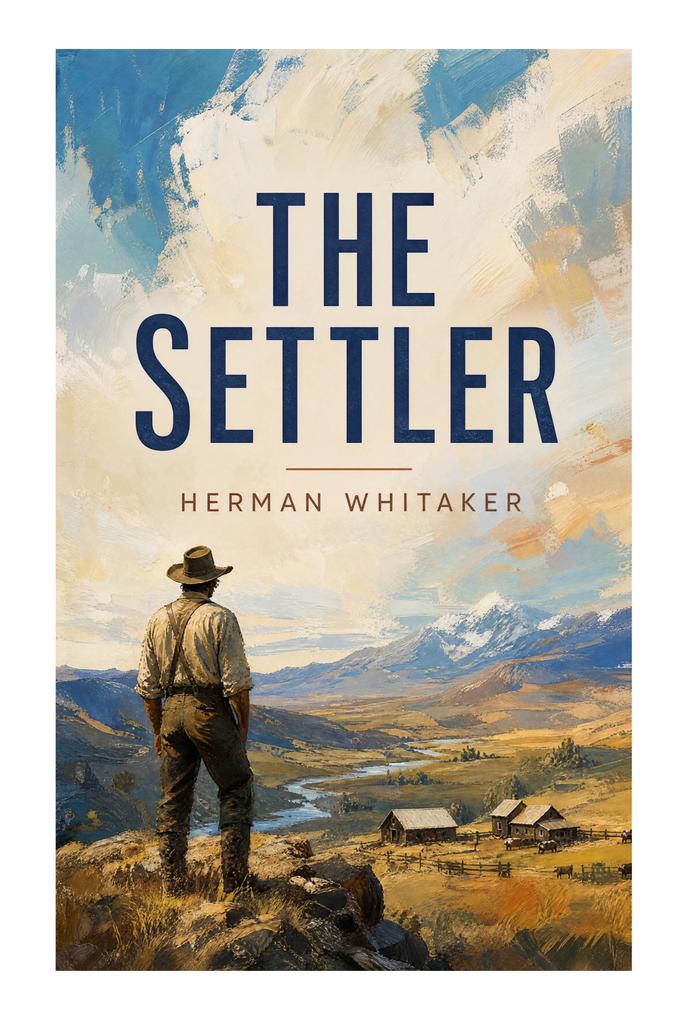
Herman Whitaker's The Settler is a frontier novel concerned with the moral, physical, and social labor by which wilderness is converted into habitation. Its narrative attends to hardship, land, weather, work, and community, presenting settlement not as picturesque adventure alone but as a testing ground for character. Written in the idiom of early twentieth-century realist romance, the book belongs to a literary context shaped by imperial migration, agrarian idealism, and the mythology of the North American frontier. Whitaker was himself closely connected to the worlds of migration, labor, and western expansion that animate his fiction. Born in England and later associated with Canada and the American West, he brought to his novels an outsider's eye for colonial ambition and a practical awareness of work, geography, and endurance. His journalism and fiction often reveal an interest in how ordinary people are transformed by harsh environments and historical change. Readers interested in frontier literature, settlement narratives, and the cultural imagination of landmaking will find The Settler rewarding. It is especially valuable for those seeking a thoughtful example of popular fiction that combines romance, realism, and social observation.