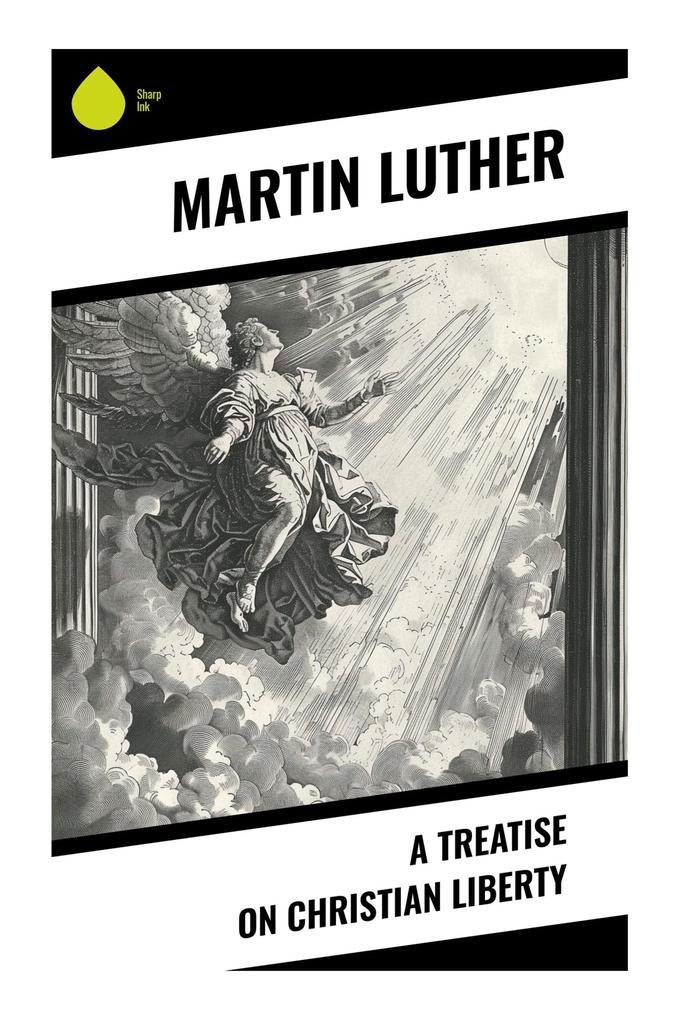
Martin Luther's A Treatise on Christian Liberty (1520) is one of the Reformation's most concentrated statements of evangelical theology. Built around the paradox that the Christian is both wholly free in faith and wholly bound in love, it expounds justification by faith while insisting that faith necessarily flowers in service. Its style is lucid, polemical, pastoral, and scripturally saturated, standing at the crossroads of late medieval devotion, Pauline exegesis, and emerging Protestant reform. Luther, an Augustinian friar, biblical lecturer, and critic of ecclesiastical abuses, wrote amid the escalating conflict that followed his Ninety-Five Theses. His study of Paul, his anxiety over conscience, and his resistance to a penitential system he believed obscured grace all shaped this treatise. Addressed in part to Pope Leo X, it combines theological daring with an appeal to recover the liberating center of the gospel. This book is essential for readers interested in theology, church history, or the intellectual origins of modern Christianity. Brief but profound, it rewards slow reading and remains a compelling account of spiritual freedom, moral responsibility, and the dignity of faith before God.