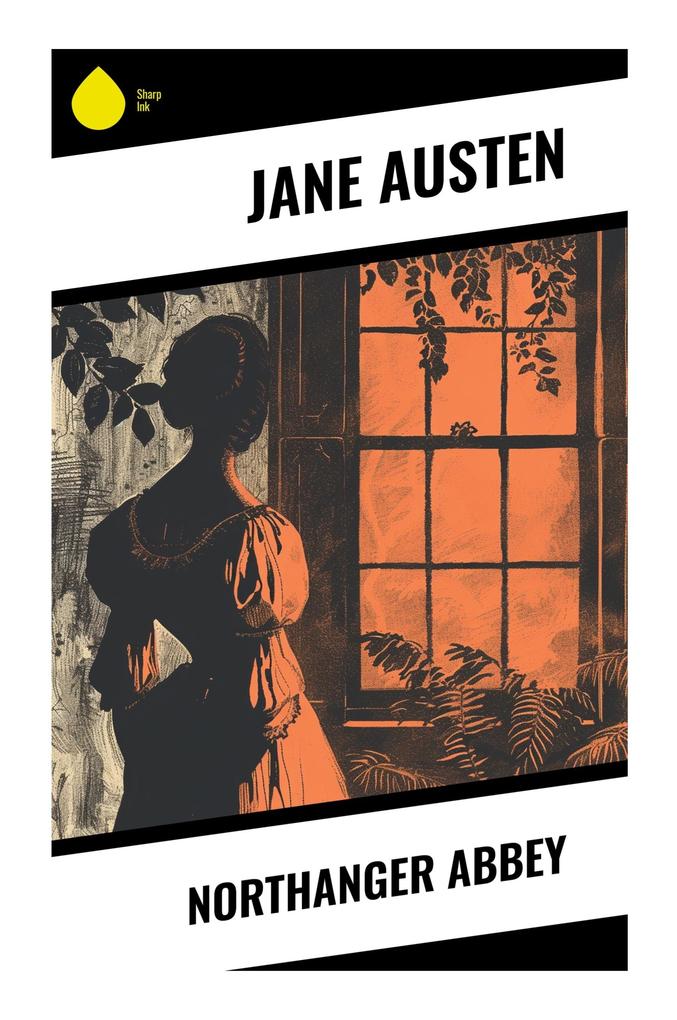
Northanger Abbey is Jane Austen's most playful and self-conscious novel, following the imaginative Catherine Morland as she enters the social worlds of Bath and Northanger Abbey. Through Catherine's fascination with Gothic fiction, Austen deftly parodies the sensational novels of the 1790s while also defending the novel as a serious literary form. Its style is witty, ironic, and elegantly economical, combining social comedy with a subtle critique of credulity, manners, courtship, and female education. Jane Austen wrote Northanger Abbey early in her career, originally under the title Susan, and its youthful energy is evident in its brisk satire and affectionate mockery. Austen's own wide reading, especially of popular Gothic writers such as Ann Radcliffe, clearly informs the book's comic structure. At the same time, her acute observation of provincial society, inheritance, marriage markets, and women's constrained opportunities gives the novel a moral and social seriousness beneath its light surface. This book is highly recommended to readers who enjoy sharp literary parody, coming-of-age narratives, and comedies of manners. It is especially rewarding for those interested in Austen's development as a novelist, offering both sparkling entertainment and a sophisticated meditation on reading, imagination, and judgment.