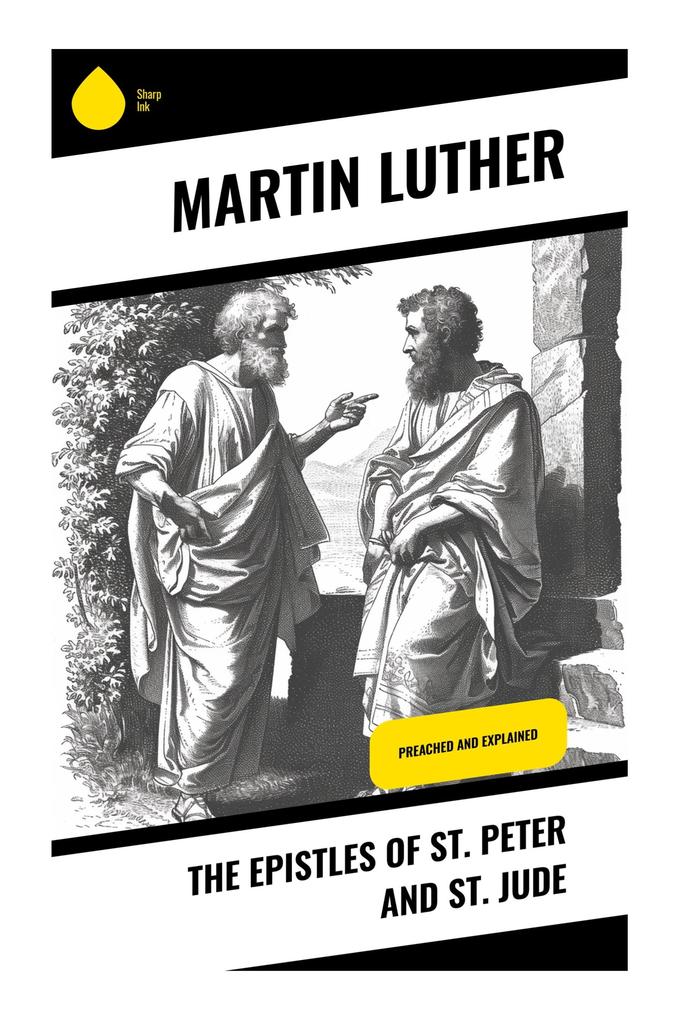
In this lucid exposition of 1 and 2 Peter and Jude, Luther treats the apostolic letters as pastoral theology for a church under trial. He unfolds their teaching on faith, baptism, suffering, Christian liberty, false teachers, and the final judgment with the directness of a preacher and the rigor of a reforming exegete. The style is plain, argumentative, and intensely biblical, situated in the Reformation's return to Scripture and suspicion of merely ecclesiastical authority. Martin Luther, Augustinian friar, professor at Wittenberg, and catalytic figure of the Protestant Reformation, approached these epistles from conflict as well as conviction. His battles over indulgences, papal claims, and justification by faith sharpened his eye for Peter's witness to grace and Jude's warnings against corruption. His pastoral burdens also matter: he wrote to strengthen consciences threatened by fear, persecution, and spiritual confusion. Readers seeking a devotional paraphrase alone may be surprised by the force of Luther's polemic, yet that force is integral to the work's historical power. This volume is especially rewarding for students of biblical interpretation, Reformation theology, and Christian preaching, offering a vigorous encounter with Scripture as living address rather than antiquarian text.