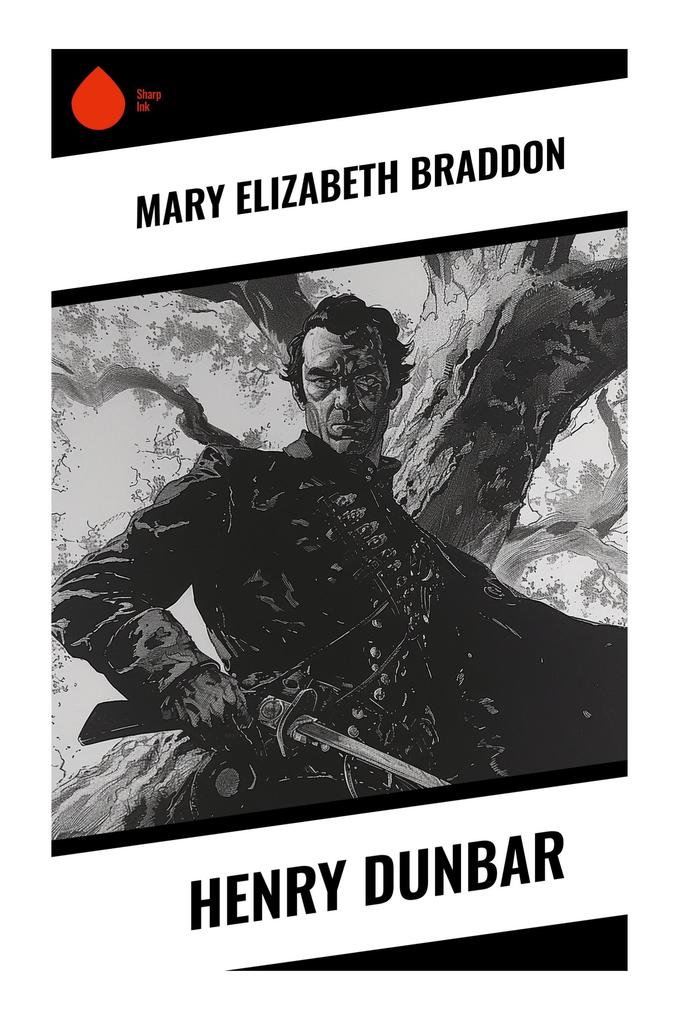
Henry Dunbar is a compelling sensation novel of crime, imposture, and moral reckoning, set amid the financial and social anxieties of Victorian England. Braddon weaves murder, hidden identity, and inheritance into a plot driven by suspense and coincidence, while her prose combines melodramatic intensity with sharp observation of class, respectability, and the fragility of reputation. Published in 1864, it belongs to the great decade of sensation fiction, alongside Wilkie Collins, yet retains Braddon's distinctive sympathy for the socially compromised and the emotionally dispossessed. Mary Elizabeth Braddon, already famous for Lady Audley's Secret, brought to this novel the instincts of a dramatist, journalist, and professional storyteller. Her early work as an actress sharpened her sense of scene, revelation, and performance, while her experience writing for serial publication encouraged intricate plotting and carefully timed disclosures. Braddon's own navigation of Victorian respectability likely deepened her interest in masks, scandal, and social judgment. Readers drawn to Victorian mystery, psychological duplicity, and socially alert melodrama will find Henry Dunbar richly rewarding. It is both an engrossing crime narrative and a revealing study of a culture obsessed with appearances.