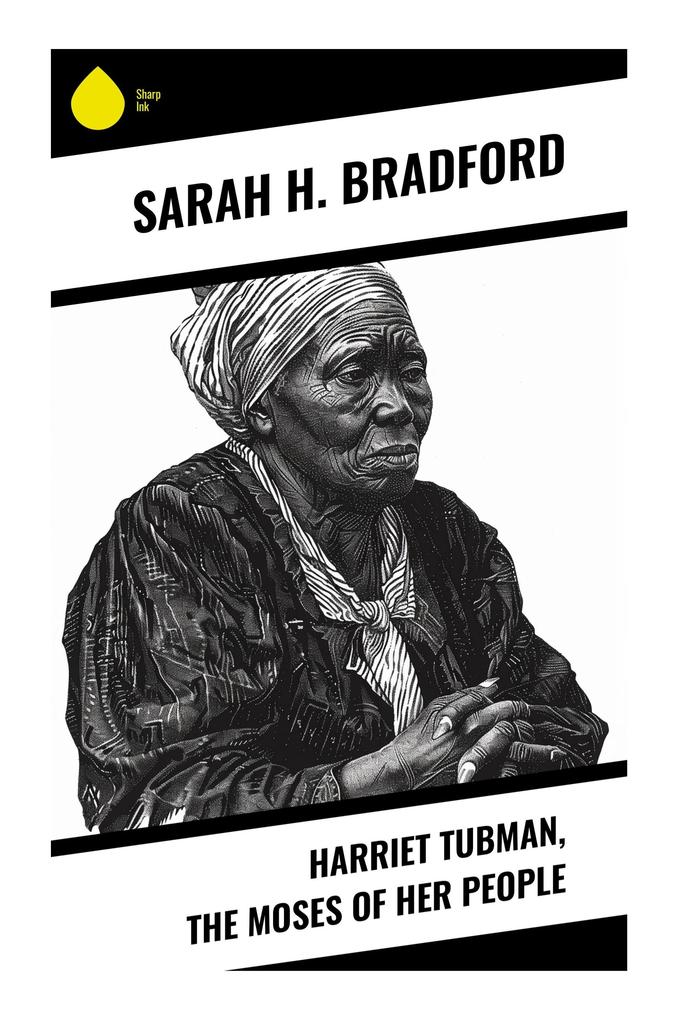
Harriet Tubman, The Moses of Her People presents the life of the Underground Railroad conductor as a providential narrative, tracing her escape from slavery, repeated rescue missions, and wartime service as scout, nurse, and liberator. Bradford writes in a testimonial, nineteenth-century reform style, blending biography, oral reminiscence, religious language, and abolitionist moral urgency. The result belongs to postbellum memory literature: at once historical record, spiritual portrait, and argument for Black heroism. Sarah H. Bradford, a New York writer and philanthropically minded biographer, knew Tubman and composed the book partly from Tubman's own recollections and the testimony of associates. Her earlier account, Scenes in the Life of Harriet Tubman, had been written to raise money for Tubman's precarious livelihood; this expanded work reflects both admiration and a practical commitment to securing recognition and support for an aging national heroine. Readers interested in slavery, resistance, women's history, and the making of American memory will find this book indispensable. Though shaped by its era's pieties, it preserves a powerful contemporary vision of Tubman's courage, faith, and political significance.