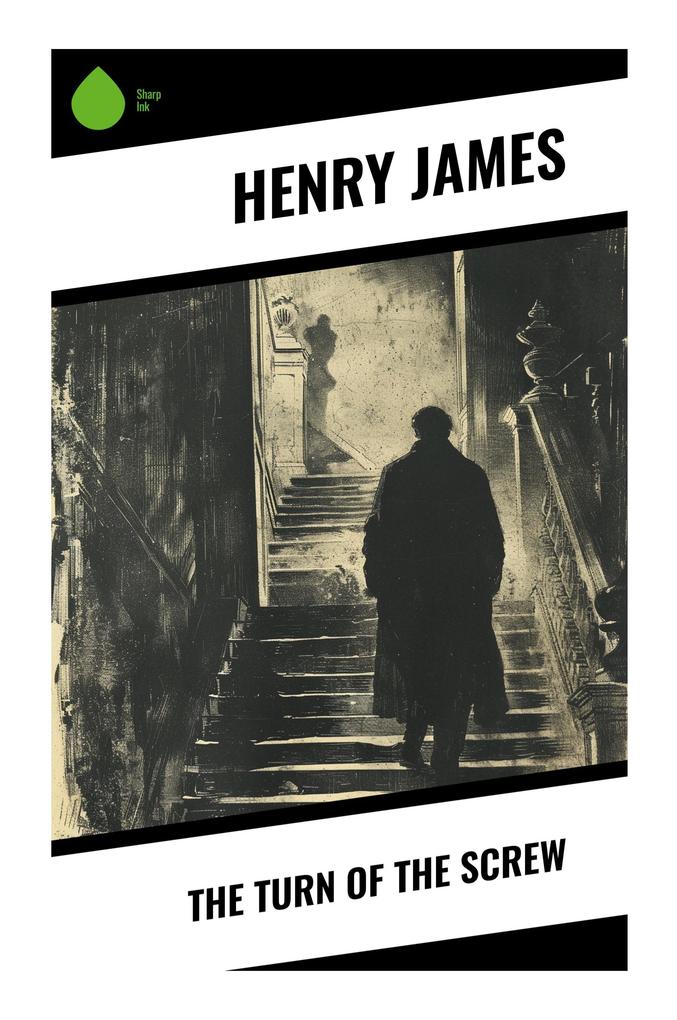
The Turn of the Screw is Henry James's most unsettling experiment in Gothic compression: a framed tale in which an unnamed governess, charged with protecting two precocious children at Bly, confronts-or imagines-the malign apparitions of Peter Quint and Miss Jessel. Its style is oblique, syntactically intricate, and intensely psychological, converting the ghost story into a drama of interpretation. Published in 1898, it stands at the crossroads of Victorian supernatural fiction, fin-de-siècle anxieties about childhood and sexuality, and modernist uncertainty about narrative truth. James, the American-born cosmopolitan novelist who made Europe his imaginative territory, was fascinated by consciousness, moral pressure, and the gaps between what is seen and what is known. His lifelong attention to point of view, sharpened by family exposure to psychology through his brother William James, helps explain the novella's famous ambiguity: terror arises not simply from spectres, but from the mind that beholds them. Readers seeking a conventional haunting may find instead something more enduring: a masterpiece of controlled doubt. This book is recommended to anyone interested in Gothic literature, psychological fiction, unreliable narration, or the birth of modern narrative ambiguity.