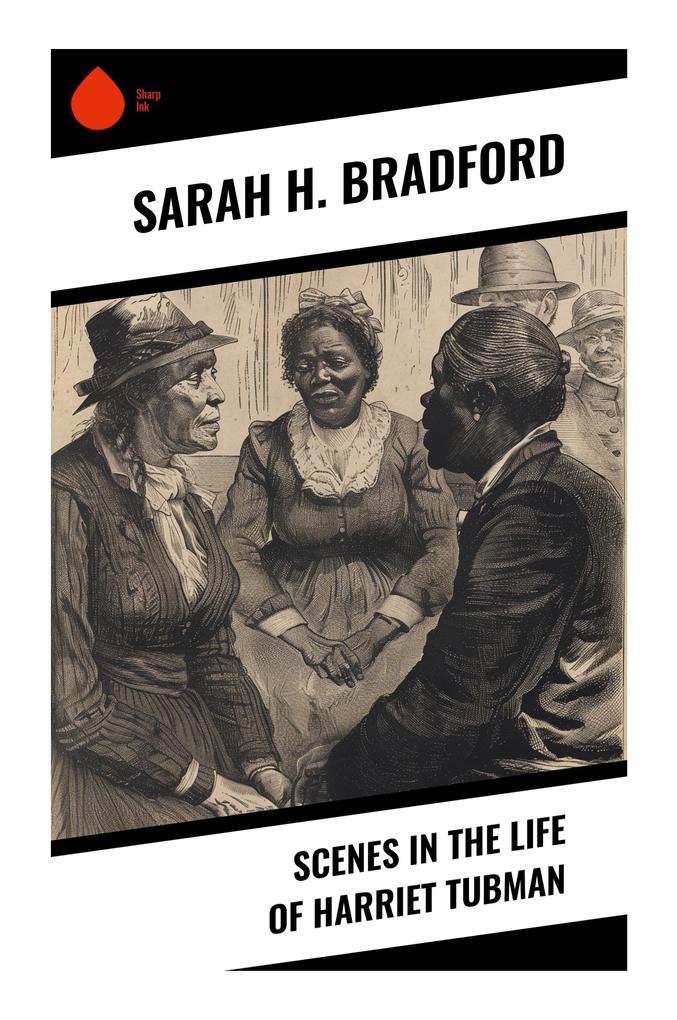
Published in 1869, Scenes in the Life of Harriet Tubman is a pioneering biographical narrative that preserves the exploits of the famed Underground Railroad conductor, Civil War scout, nurse, and liberator. Combining eyewitness testimony, oral reminiscence, abolitionist rhetoric, and devotional prose, the book belongs to the tradition of nineteenth-century antislavery life-writing while also anticipating modern documentary biography. Its episodic structure emphasizes moral courage, providential purpose, and the lived brutality of slavery. Sarah H. Bradford, a teacher and writer from Auburn, New York, knew Tubman within the reform-minded community where Tubman settled after the war. Bradford composed the book not merely as commemoration but as advocacy: proceeds were intended to support Tubman, who lived in poverty despite her extraordinary service. Her proximity to Tubman and her circle gave the work immediacy, though its admiring tone reflects the conventions and limitations of its era. This volume is essential for readers interested in African American history, women's heroism, abolitionism, and the making of historical memory. Read critically yet appreciatively, it remains a foundational portrait of one of America's most consequential freedom fighters.