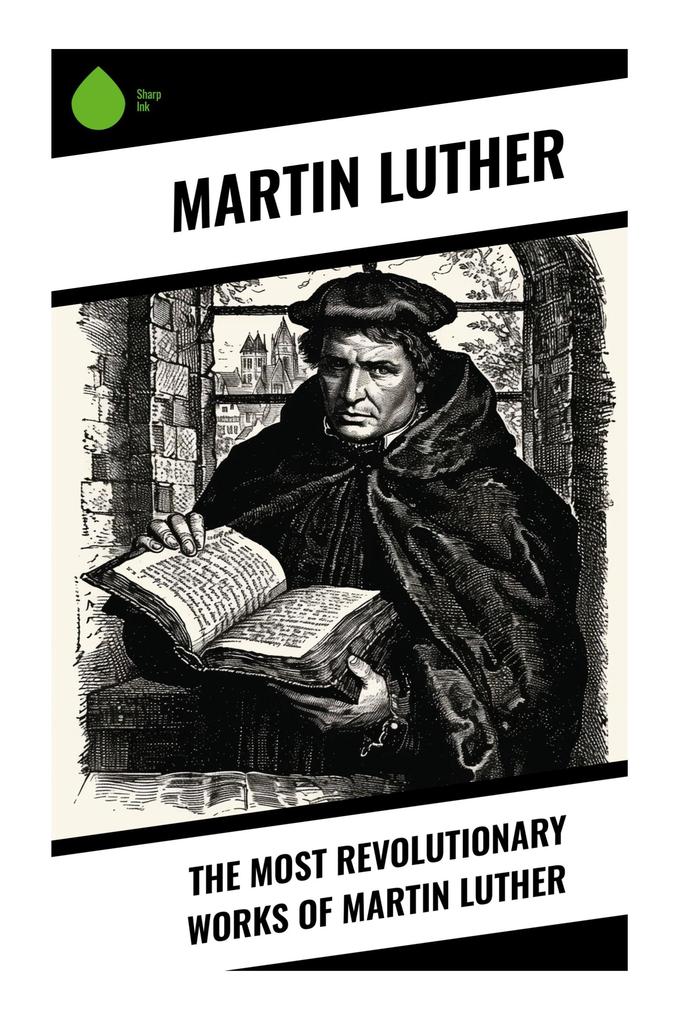
The Most Revolutionary Works of Martin Luther gathers the writings that transformed Western Christianity, from the Ninety-Five Theses and treatises on Christian liberty to polemics on church authority, scripture, and conscience. Its style moves between scholastic argument, biblical exegesis, pastoral urgency, and fierce vernacular invective, revealing Luther as both theologian and public controversialist. Read in the context of late medieval reform, humanist philology, and the rise of print culture, these texts disclose the intellectual force behind the Reformation. Martin Luther, an Augustinian friar and professor of biblical theology at Wittenberg, wrote out of spiritual crisis, ecclesiastical conflict, and sustained engagement with Paul's theology of grace. His opposition to indulgences widened into a radical rethinking of salvation, authority, and the priesthood of believers. Personal anxiety before God, rigorous scriptural study, and confrontation with papal and imperial power all shaped the urgency of his prose. This volume is recommended to readers seeking more than a historical monument: it offers direct access to ideas that remade religion, politics, literacy, and individual conscience. Students of theology, history, and literature will find it indispensable.