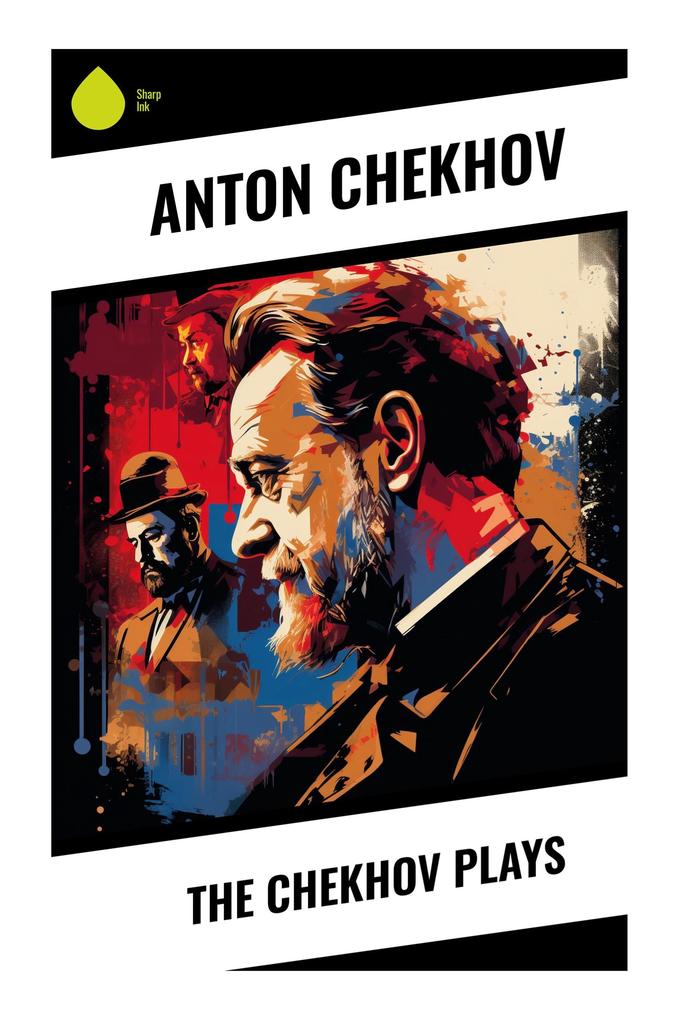
The Chekhov Plays gathers the dramatic works through which Anton Chekhov transformed modern theatre: plays of families, estates, doctors, teachers, actors, and dreamers suspended between old certainties and an uncertain future. In works such as The Seagull, Uncle Vanya, Three Sisters, and The Cherry Orchard, plot yields to atmosphere, subtext, and the quiet pressure of unfulfilled desire. Chekhov's style is deceptively conversational, tragicomic, and exacting; within ordinary speech he locates the anxieties of a Russia moving from aristocratic privilege toward social and economic change. Anton Chekhov, born in 1860 in Taganrog, trained as a physician and wrote with the diagnostic patience of a doctor and the compassion of a moral observer. His experience of provincial life, illness, poverty, and professional duty shaped his unsentimental attention to human limitation. He rejected melodrama and easy judgment, preferring characters whose failures are inseparable from their intelligence, tenderness, and self-deception. This volume is essential for readers interested in modern drama, psychological realism, or the art of implication. Chekhov rewards close reading: his silences speak, his pauses wound, and his comedy deepens into wisdom.