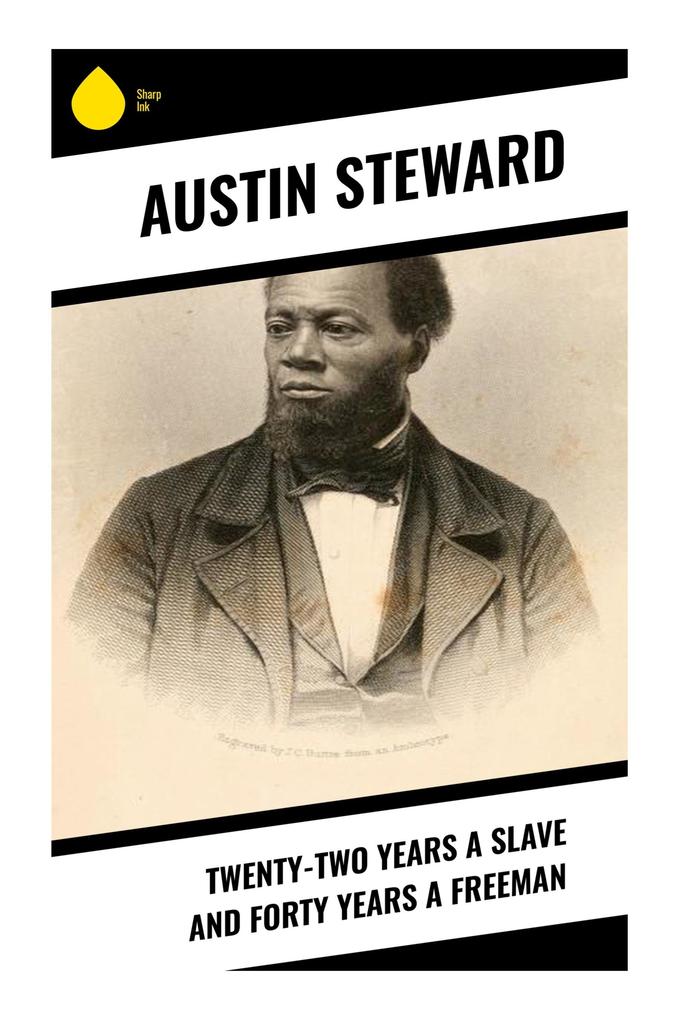
Twenty-Two Years a Slave and Forty Years a Freeman is both a slave narrative and a civic memoir, tracing Austin Steward's passage from bondage in Virginia and New York to self-emancipation, entrepreneurship, and antislavery activism. Written in a lucid, restrained, and morally forceful prose, the book combines personal testimony with social critique. Its literary context is the antebellum abolitionist tradition, yet it extends beyond the scene of enslavement to examine the precarious meanings of freedom, Black self-making, and communal aspiration in the nineteenth-century Atlantic world. Austin Steward's authority arises from lived experience. Born enslaved in 1793, he endured forced labor, separation, and violence before securing his freedom and becoming a respected businessman, lecturer, and reformer in Rochester. His later involvement with the Wilberforce Colony in Canada, founded as a refuge for free Black settlers, sharpened his reflections on leadership, racial injustice, and the difficulties of building institutions under hostile conditions. This book is recommended for readers of African American history, abolitionist literature, and autobiography. It offers not merely a record of oppression, but a searching account of freedom's responsibilities and limits.