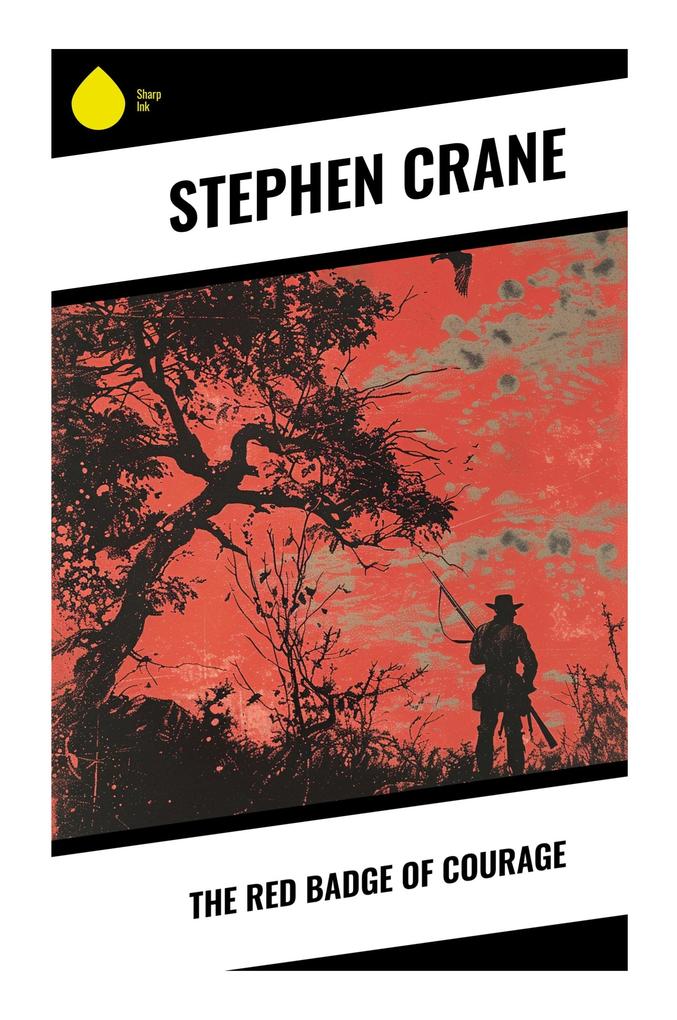
Stephen Crane's The Red Badge of Courage is a compact yet profound Civil War novel that follows the young Union soldier Henry Fleming through fear, shame, self-deception, and a hard-won confrontation with courage. Rather than offering a conventional patriotic battle narrative, Crane renders war through impressionistic flashes of color, sound, confusion, and psychological intensity. Its naturalist skepticism and proto-modern attention to consciousness place it among the most innovative American novels of the 1890s. Crane, born in 1871 after the Civil War, had no firsthand experience of the conflict, yet his journalistic eye and fascination with urban poverty, violence, and moral pressure shaped his extraordinary imaginative reconstruction of battle. Already known for Maggie: A Girl of the Streets, he brought to war fiction the same unsentimental interest in individuals tested by forces larger than themselves, stripping heroism of easy romance. This book is recommended to readers interested in American realism, war literature, and the psychology of fear under extreme conditions. Its brevity makes it accessible, but its moral ambiguity and stylistic daring reward close reading, offering a landmark study of how courage is imagined, performed, and painfully earned.