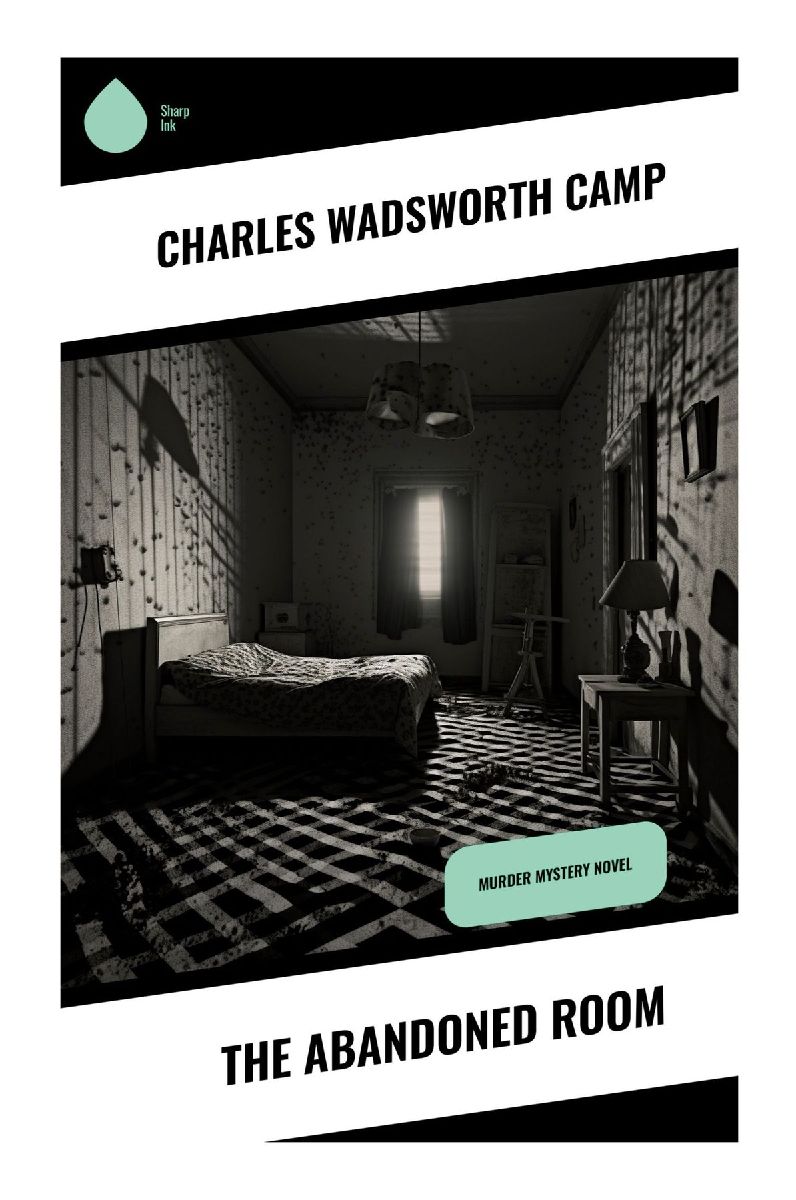
The Abandoned Room is a taut early-twentieth-century mystery in which a family house becomes a theatre of fear, inheritance, and suspected guilt. Camp blends detective fiction with Gothic atmosphere: shuttered corridors, ancestral secrets, and a death that seems to violate ordinary explanation. Its prose is brisk yet shadowed, attentive to psychological unease as much as to clues, placing the novel within the transitional moment when Victorian sensation fiction was giving way to the modern American whodunit. Charles Wadsworth Camp was an American journalist, novelist, and war correspondent whose professional life sharpened his eye for suspense, motive, and human behavior under pressure. His experience in newspapers and reportage helps explain the novel's disciplined pacing and concern with testimony, evidence, and competing interpretations. Camp's fiction often draws energy from the collision between rational investigation and irrational dread, a tension especially vivid in this work. Readers who enjoy classic detective stories with a strong Gothic charge will find The Abandoned Room both entertaining and historically revealing. It is recommended for admirers of atmospheric mysteries, locked-room puzzles, and fiction that shows American popular literature refining suspense into a careful art.