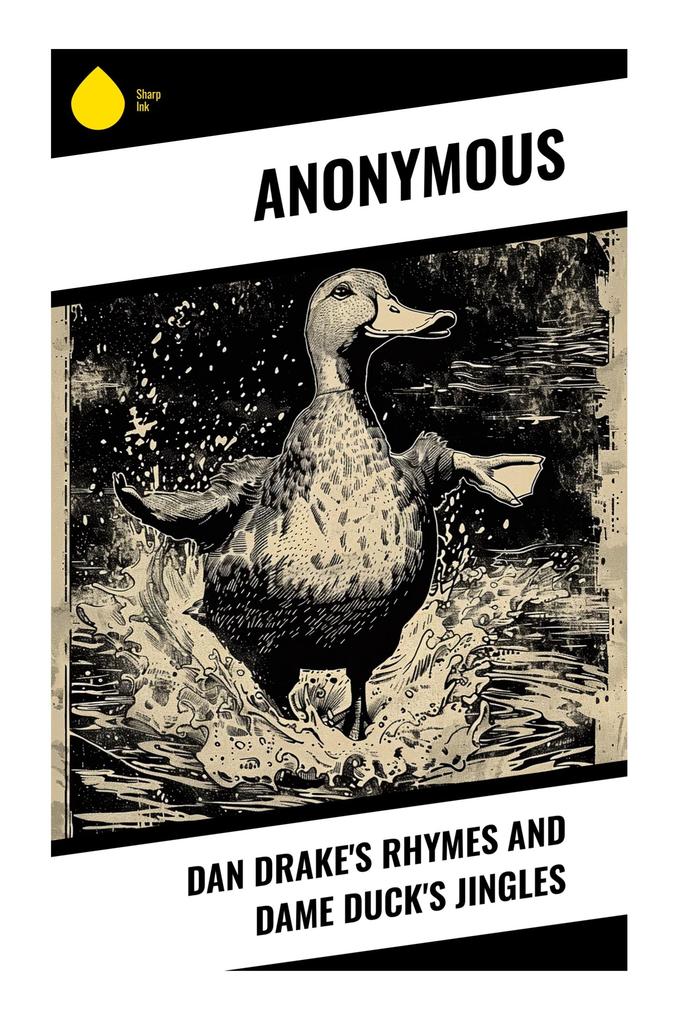
Dan Drake's Rhymes and Dame Duck's Jingles belongs to the lively tradition of illustrated nursery verse in which animal figures, jaunty rhythms, and comic names turn instruction into play. Its brief rhymes and jingles likely invite oral performance, using repetition, singsong cadence, and whimsical characterization to delight young listeners while gently shaping habits of attention, memory, and moral imagination. In literary context, it stands near the chapbook, toy-book, and Mother Goose traditions, where nonsense and pedagogy coexist. The author's anonymity is itself significant. Much children's verse circulated without a stable authorial identity, emerging from printers, editors, illustrators, and oral tradition as much as from a single named writer. The choice of figures such as Dan Drake and Dame Duck suggests an author, or compiler, attentive to the comic possibilities of animal personification and to the domestic setting in which rhymes were read aloud by adults to children. Readers interested in the history of children's literature, nursery rhyme, and popular print culture will find this book charming and revealing. It is recommended not only for children, who may enjoy its musicality, but also for adults seeking a glimpse of how earlier generations imagined amusement, language, and moral play.