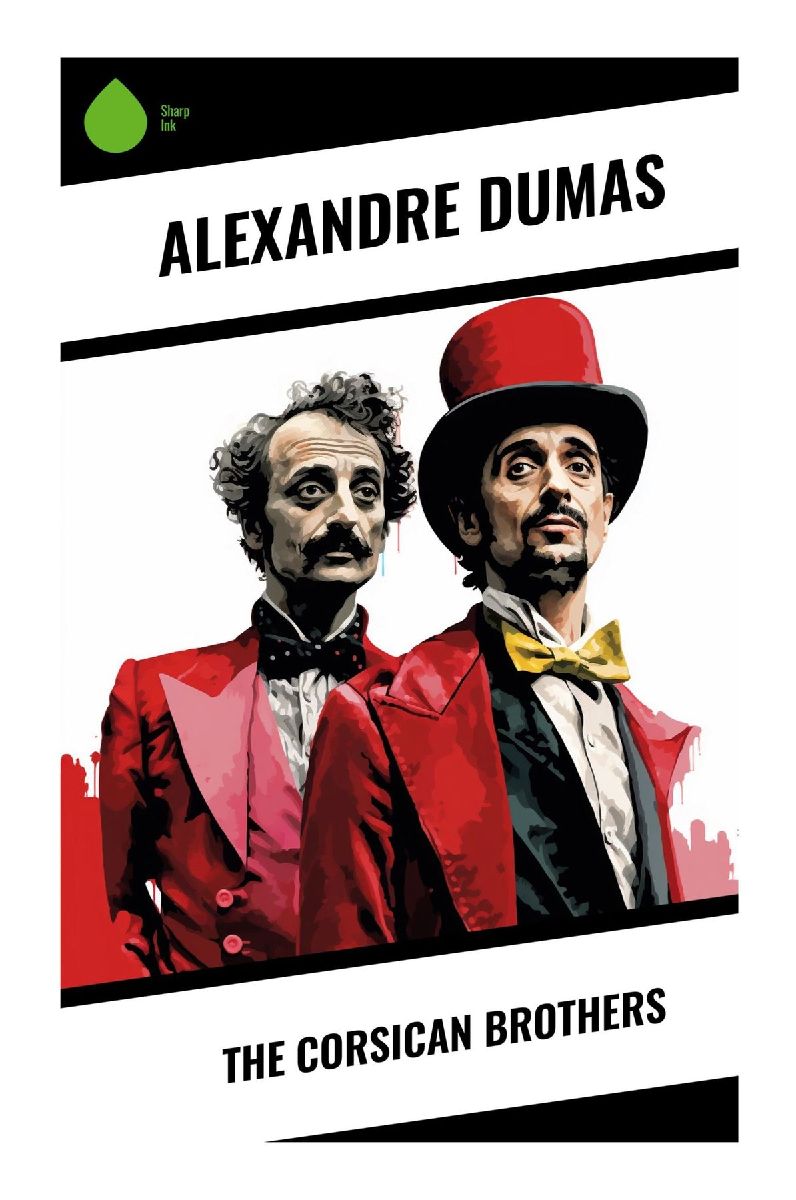
Set between the rugged honor culture of Corsica and the refined violence of Paris, The Corsican Brothers is a compact Romantic tale of twinship, vengeance, and uncanny sympathy. Dumas joins travel narrative, Gothic suggestion, and melodramatic suspense in the story of Louis and Lucien de Franchi, brothers divided by geography yet mysteriously bound in sensation and fate. The novella belongs to the nineteenth-century fascination with heredity, doubles, and national character, while its swift pacing and theatrical confrontations reveal Dumas's mastery of popular narrative form. Alexandre Dumas, one of France's great storytellers, brought to this work the instincts of a dramatist and the historical imagination that shaped The Three Musketeers and The Count of Monte Cristo. His mixed-race heritage, republican sympathies, wide travels, and appetite for folklore and archival anecdote all informed his interest in societies governed by codes of loyalty, family, and revenge. Corsica offered him an ideal stage on which private passion could become public destiny. Readers drawn to atmospheric fiction, fraternal bonds, supernatural ambiguity, and moral conflict will find The Corsican Brothers both accessible and richly suggestive. It is brief, vivid, and memorable: a minor Dumas masterpiece with the force of legend.