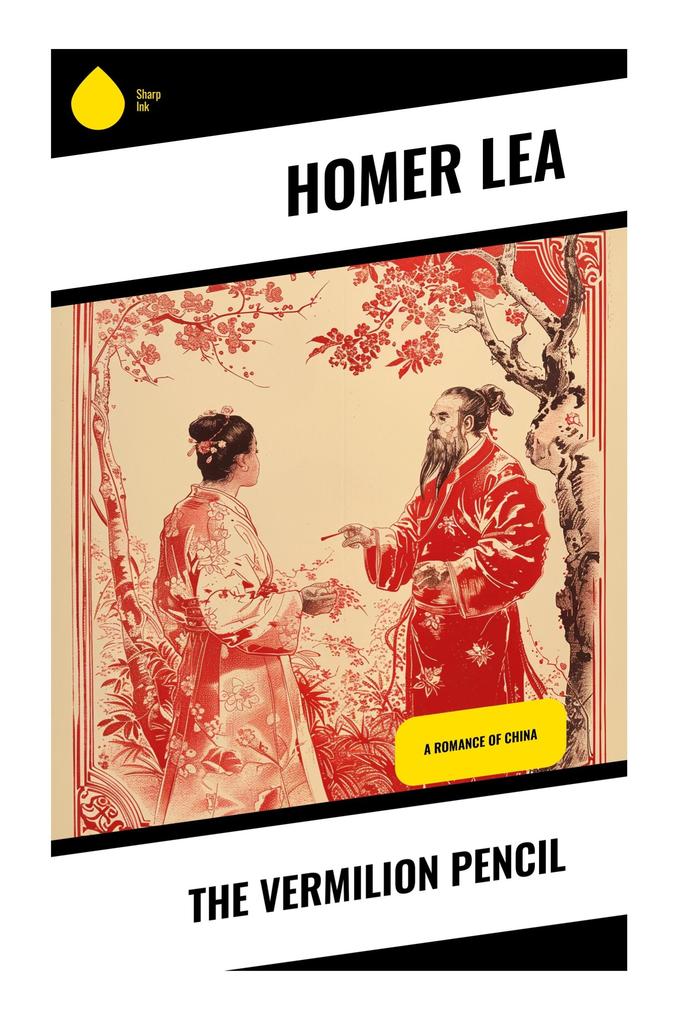
The Vermilion Pencil is Homer Lea's exotic political romance of China, a tale in which private passion is inseparable from imperial power. Taking its title from the red instrument of sovereign annotation and doom, the novel stages a world of mandarins, secret loyalties, courtly ritual, and fatal decrees. Its prose is ornate, melodramatic, and highly visual, reflecting the late-Victorian and Edwardian vogue for Asian settings while also revealing a more serious fascination with dynastic authority, revolution, and the machinery of empire. Lea was no armchair fantasist in the ordinary sense. A physically frail Californian with an audacious military imagination, he became closely associated with Chinese revolutionary circles and with Sun Yat-sen, later writing influential works of geopolitical warning. His interest in China combined romantic idealization, strategic calculation, and firsthand political sympathy; The Vermilion Pencil emerges from that unusual mixture of adventurer's vision and reformist urgency. Readers drawn to historical romance, imperial intrigue, and the Western literary construction of China will find this book especially rewarding. Though marked by the assumptions of its age, it remains a vivid document of transpacific imagination and a revealing prelude to Lea's later strategic writings.