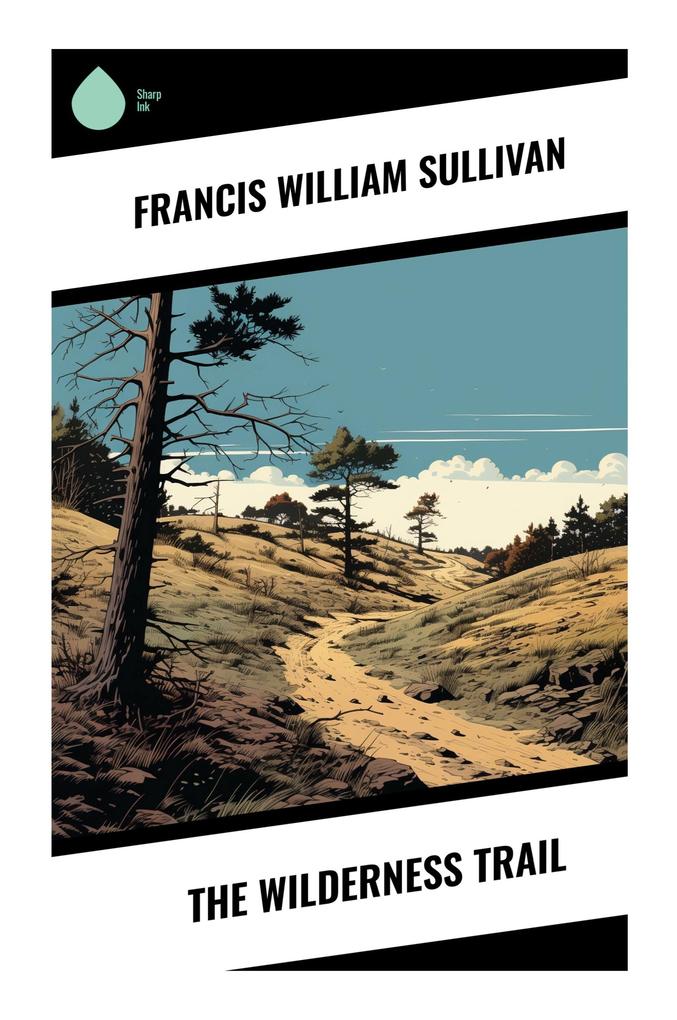
The Wilderness Trail is a brisk northern adventure that turns the forest, river, and portage into moral as well as physical terrain. Sullivan works within the early twentieth-century tradition of frontier romance, kin to the wilderness fiction of Jack London and James Oliver Curwood, yet his emphasis falls on endurance, loyalty, and the testing of character under primitive conditions. Its prose is direct and atmospheric, combining practical detail with melodramatic momentum. Francis William Sullivan belonged to a generation of popular writers fascinated by the margins of settlement, where modern commerce, imperial ambition, and older codes of survival met. His fiction reflects the period's appetite for tales of the Canadian and North American wild, but also an awareness that the wilderness was not merely picturesque scenery: it was a force that exposed weakness, rewarded discipline, and unsettled conventional civilization. Readers drawn to classic adventure fiction, northern landscapes, and stories in which action carries ethical weight will find The Wilderness Trail rewarding. It is especially recommended to those interested in how popular literature imagined the frontier as both escape and ordeal, a place where identity is remade by hardship.