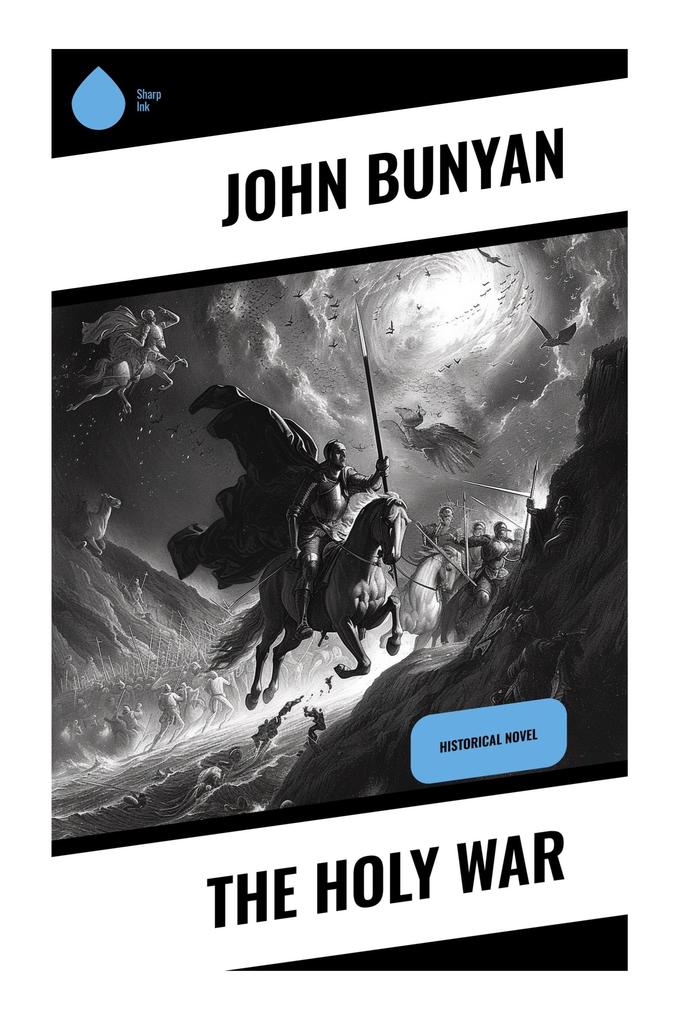
The Holy War (1682) is John Bunyan's grand allegory of the soul under siege: the town of Mansoul, deceived by Diabolus and recovered by Prince Emmanuel, becomes a dramatic map of temptation, conversion, discipline, and grace. Written in vigorous plain prose, with martial imagery and courtroom rhetoric, it extends the Puritan allegorical tradition that Bunyan had perfected in The Pilgrim's Progress, while reflecting the political and spiritual anxieties of Restoration England. Bunyan (1628-1688), a Bedfordshire tinker turned Baptist preacher, wrote from the pressures of dissent, imprisonment, and intense inward scrutiny. His years in jail for unlicensed preaching sharpened his conviction that the Christian life is conflict as well as pilgrimage. The Holy War transforms that experiential theology into communal drama, showing how conscience, memory, will, and understanding may be corrupted and restored by divine initiative. Readers seeking a foundational work of English Protestant imagination will find this book intellectually demanding and unexpectedly vivid. Its personifications can seem severe, but they reward patient attention as instruments of moral analysis. For students of allegory, theology, or seventeenth-century literature, The Holy War remains an essential companion to Bunyan's better-known masterpiece.