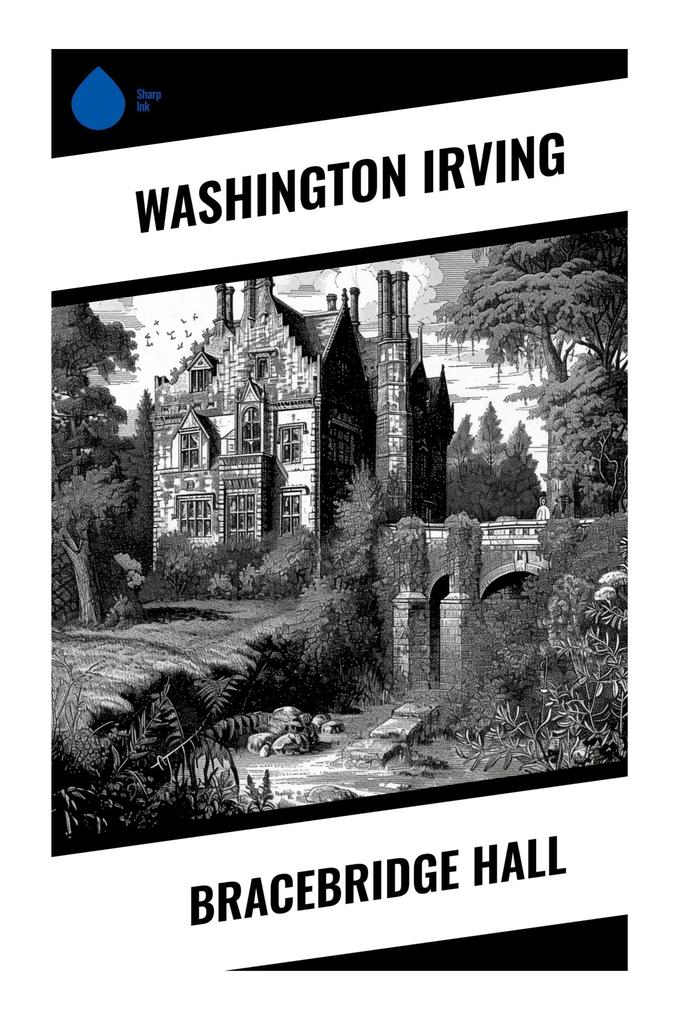
Bracebridge Hall; or, The Humorists is Washington Irving's richly textured sequence of sketches depicting an English country estate and its inhabitants. Blending genteel comedy, antiquarian observation, and pastoral nostalgia, the book extends the manner of The Sketch Book while adopting a looser, hospitable structure of linked scenes. Its style is urbane, affectionate, and lightly satirical, situating old customs, festive rituals, and eccentric characters within the early nineteenth-century fascination with national memory and social continuity. Irving, the first American writer to achieve broad international literary fame, wrote from intimate experience of transatlantic culture. Having lived in Britain and moved among literary and social circles there, he observed English manners with both admiration and critical distance. Bracebridge Hall reflects his position as a cultural mediator: an American fascinated by ancestral forms, yet aware that tradition itself is partly performance, recollection, and imaginative reconstruction. Readers interested in refined humor, social history, and the evolution of the short prose sketch will find this volume especially rewarding. It is not a plot-driven novel but a cultivated literary visit, inviting patient attention to atmosphere, character, and custom. For those who value graceful prose and historically conscious charm, Bracebridge Hall remains a subtle and enduring pleasure.