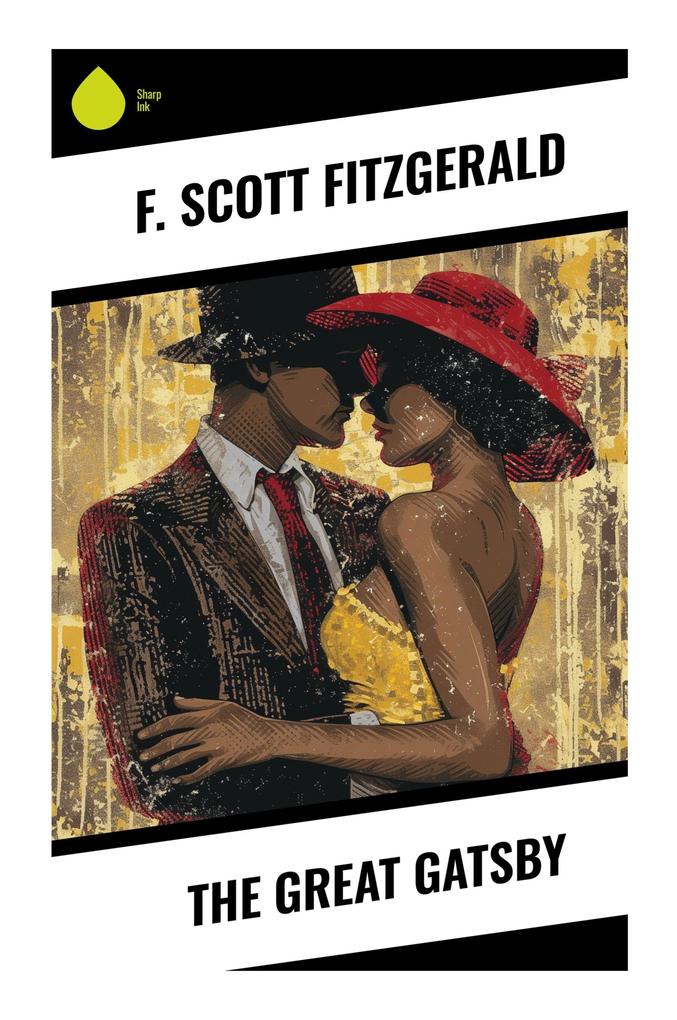
The Great Gatsby is Fitzgerald's luminous anatomy of aspiration, illusion, and moral vacancy in Jazz Age America. Through Nick Carraway's retrospective narration, the novel follows Jay Gatsby's extravagant pursuit of Daisy Buchanan, transforming a romantic plot into a critique of wealth, class performance, and the corrupted American Dream. Its prose is famously lyrical yet exacting, balancing social satire with elegiac symbolism: the green light, the valley of ashes, and Gatsby's parties become emblems of desire and decay. Published in 1925, it stands at the center of American modernism. F. Scott Fitzgerald was uniquely positioned to write this book. Born in 1896 and educated among elites, he experienced both fascination with and exclusion from the world of inherited privilege. His marriage to Zelda Sayre, his early literary celebrity, and his immersion in the excesses of the 1920s sharpened his understanding of glamour's costs. Fitzgerald's own ambitions and anxieties animate Gatsby's longing and Nick's disillusionment. This novel is essential reading for anyone interested in American literature, modernist style, or the cultural mythology of success. It rewards close rereading, offering both an engrossing story and a devastating meditation on dreams pursued beyond their moral limits.