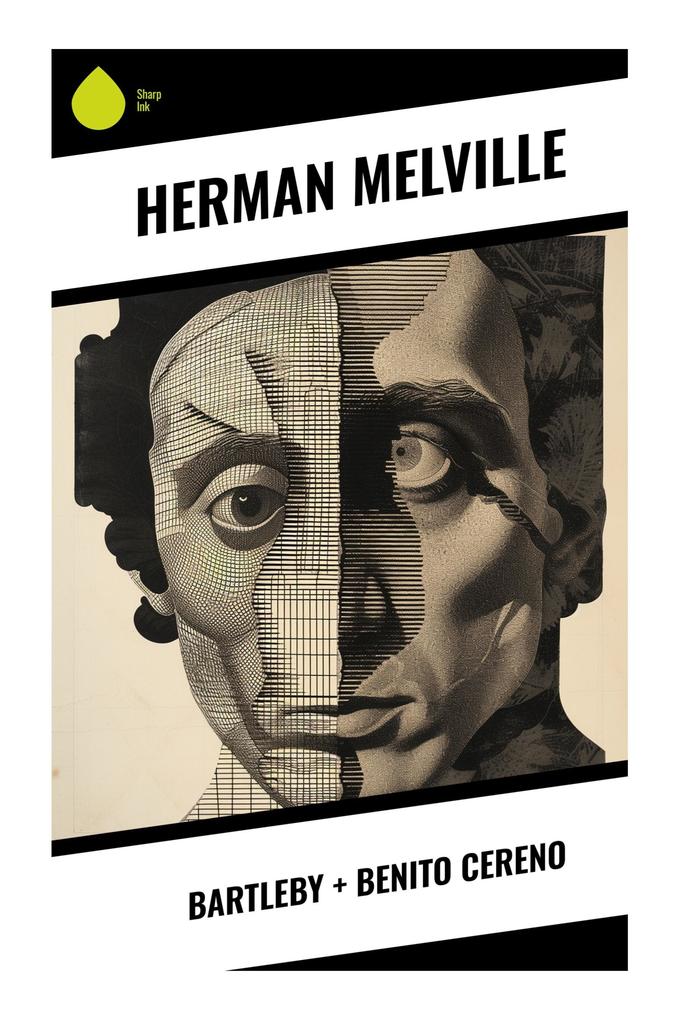
In Bartleby and Benito Cereno, Herman Melville compresses the moral and metaphysical anxieties of nineteenth-century America into two masterpieces of ambiguity. The first, set in a Wall Street law office, transforms bureaucratic routine into a haunting parable of refusal through Bartleby's famous "I would prefer not to." The second, a maritime tale of slavery, revolt, and misrecognition, uses gothic suspense and documentary framing to expose the blindness of power. Together they reveal Melville's austere prose, symbolic density, and deep engagement with capitalism, race, conscience, and the limits of interpretation. Melville, born in 1819, drew upon a life marked by sea voyages, financial instability, and literary disappointment. His experience aboard ships informed his fiction's nautical realism, while the mixed reception of Moby-Dick sharpened his interest in alienation and unreadable human motives. Writing in an America divided by commerce and slavery, he turned popular forms into profound philosophical inquiries. This volume is essential for readers interested in American literature at its most unsettling and intelligent. It rewards close reading, inviting reflection on passivity, complicity, freedom, and moral perception.