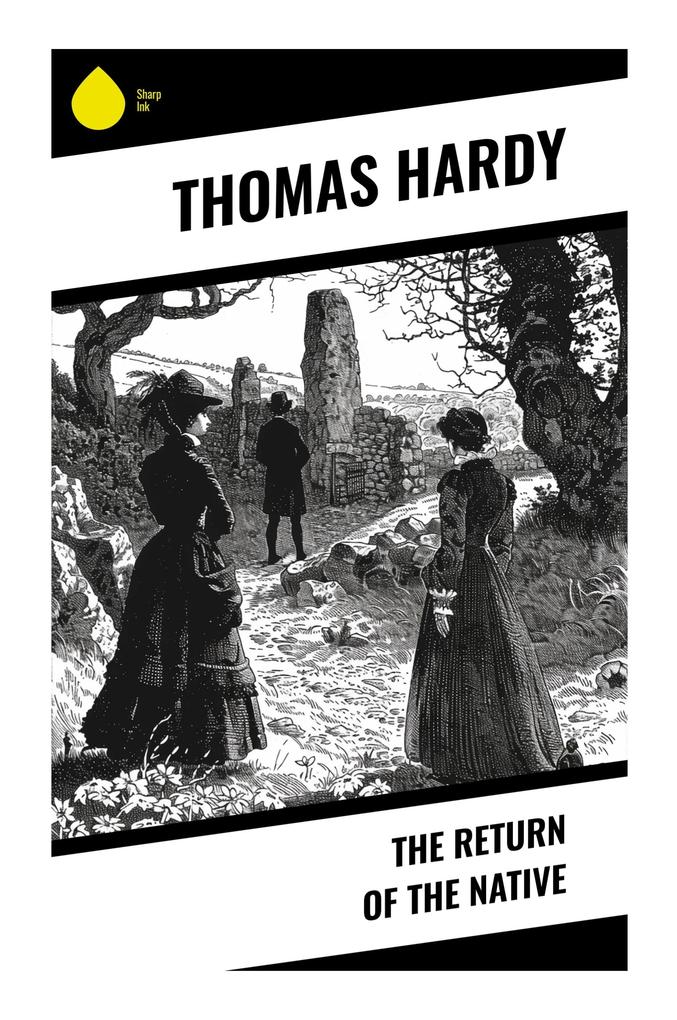
Set on the brooding expanse of Egdon Heath, The Return of the Native is one of Thomas Hardy's most powerful studies of desire, fate, and human limitation. Its plot turns on the return of Clym Yeobright from Paris, the ambitions of Eustacia Vye, and the tragic entanglements that follow when private longing collides with social expectation. Hardy's prose is at once richly descriptive and philosophically austere, transforming the heath into a near-mythic presence. Written within the late Victorian realist tradition, the novel also anticipates modern psychological fiction in its attention to frustrated consciousness and moral ambiguity. Thomas Hardy, born in rural Dorset in 1840, drew deeply on the landscapes, dialects, and social tensions of southwest England, recasting them as his fictional Wessex. Trained as an architect before becoming a novelist and poet, Hardy brought to his fiction both structural precision and a tragic sense of design. His skepticism toward conventional morality, class aspiration, and Victorian optimism informs the novel's somber vision. This book is recommended to readers who value psychologically complex characters, atmospheric landscape writing, and fiction that interrogates the boundary between choice and destiny. It remains essential Hardy: grave, beautiful, and intellectually unsettling.