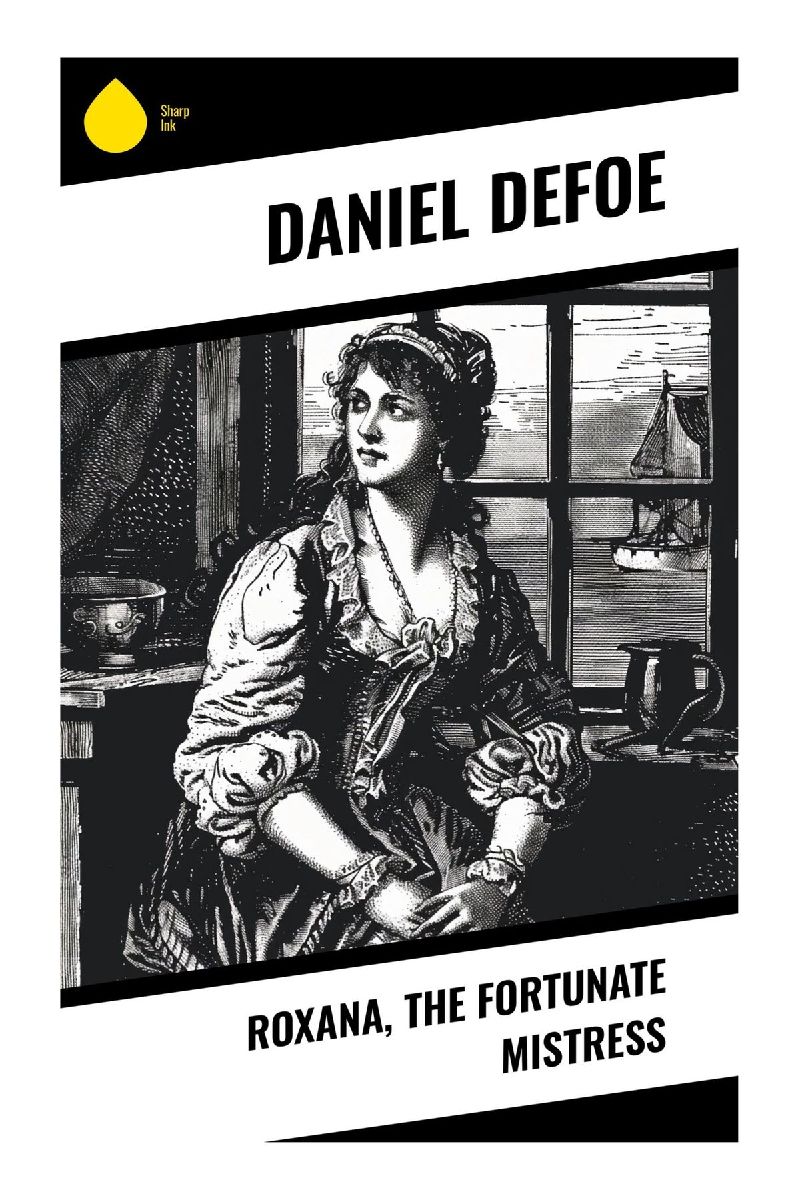
Roxana, the Fortunate Mistress (1724) is Defoe's dark, searching account of a woman who, abandoned by a feckless husband, survives through sexual commerce, calculation, and disguise. Cast as a pseudo-autobiographical confession, the novel combines picaresque movement with moral introspection, moving from London to Paris and the Dutch world of trade. Its plain, documentary prose, circumstantial detail, and uneasy psychology place it at the center of early eighteenth-century fiction, where providential narrative, criminal biography, and emergent realism meet. Defoe, journalist, dissenter, merchant, and indefatigable observer of social instability, repeatedly explored how credit, reputation, and necessity shape identity. His own bankruptcies, political risks, and immersion in the expanding print marketplace informed his fascination with precarious lives and self-fashioning narrators. After Robinson Crusoe and Moll Flanders, Roxana allowed him to press further into female economic vulnerability, urban luxury, and the moral costs of prosperity. Readers interested in the origins of the English novel, feminist literary history, or the ethics of capitalism will find Roxana indispensable. It is both a gripping tale of ascent and concealment and a disturbing meditation on freedom purchased at the price of intimacy, memory, and peace.