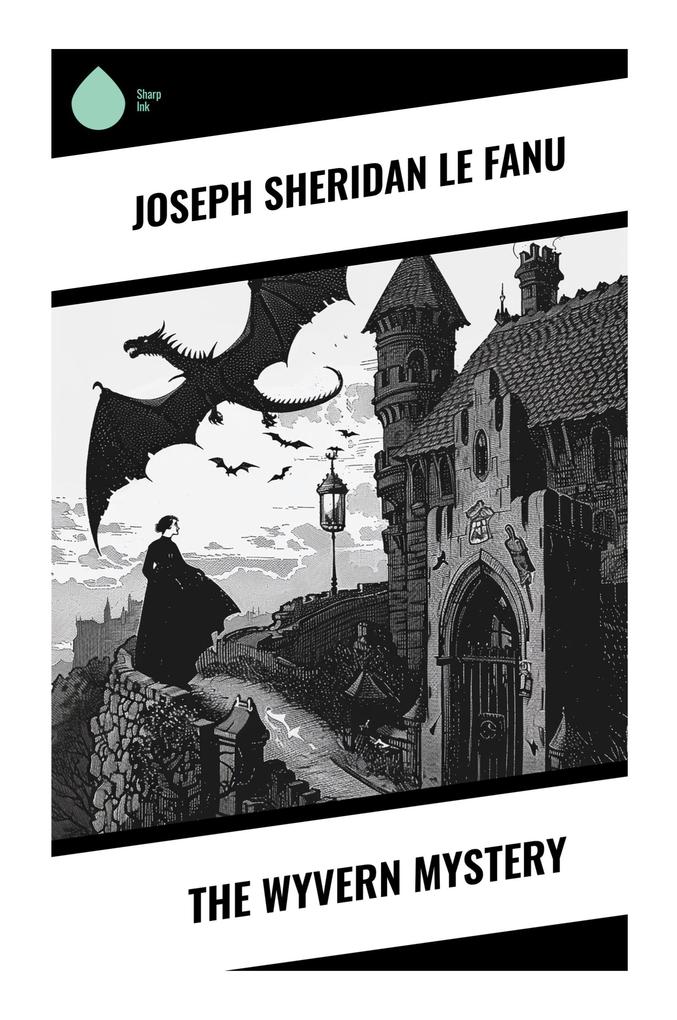
Centered on the imperiled Alice Maybell and the brooding Fairfield household at Wyvern, The Wyvern Mystery is a finely engineered tale of inheritance, marriage, concealment, and psychological dread. Le Fanu fuses the machinery of the sensation novel with older Gothic effects: ancestral houses, ambiguous testimony, nocturnal unease, and secrets that corrode domestic life. Its prose is measured yet insinuating, less dependent on spectacle than on atmosphere, suspense, and the gradual revelation of moral disorder beneath respectable surfaces. Joseph Sheridan Le Fanu, one of the central figures of nineteenth-century Irish Gothic, brought to the novel the habits of a journalist, antiquarian, and legal-minded observer of social institutions. His Dublin background, Protestant Ascendancy milieu, and fascination with property, lineage, and hidden guilt inform the book's anxieties. Written in the period that produced Uncle Silas and later Carmilla, it reflects his mature command of menace within ordinary domestic arrangements. Readers drawn to Victorian mystery, Gothic fiction, or the psychological origins of crime fiction will find The Wyvern Mystery richly rewarding. It is especially recommended for those who value slow-burning suspense, morally intricate plotting, and a masterly atmosphere of dread.