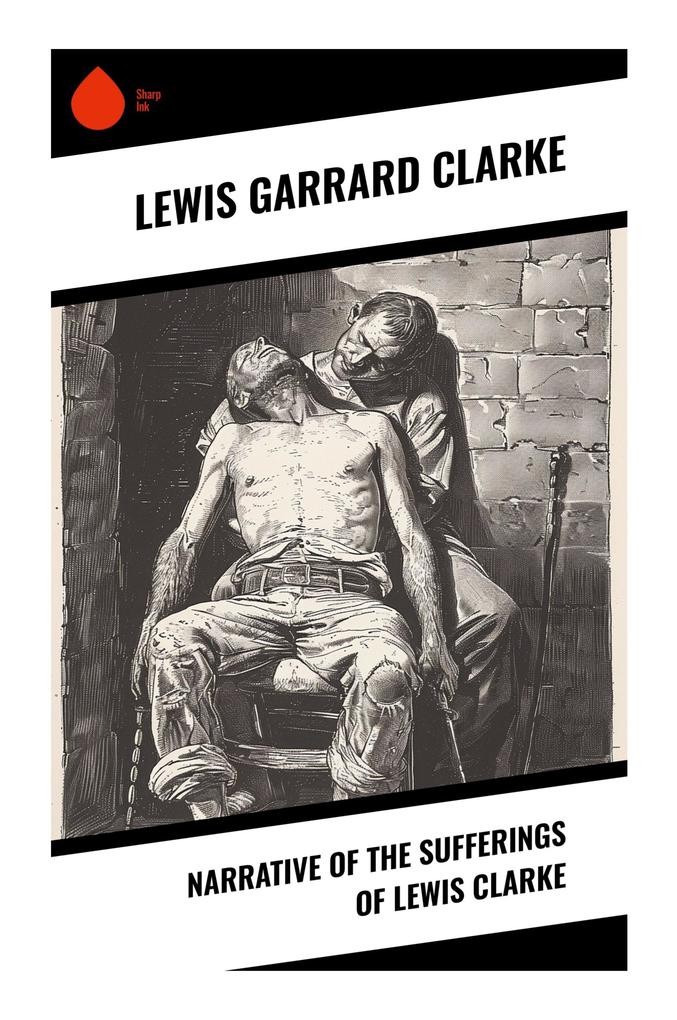
Narrative of the Sufferings of Lewis Clarke is a forceful antebellum slave narrative that exposes the brutality, hypocrisy, and psychological violence of bondage in Kentucky. Told in a plain, urgent, testimonial style, the work combines personal memory with abolitionist argument, placing Clarke's bodily suffering and repeated separations from family within a broader indictment of "Christian" slaveholding society. Its irony, especially in the comparison of Kentucky to "Algerines," situates it among nineteenth-century reform literature designed to awaken moral and political conscience. Lewis Garrard Clarke was born enslaved in Kentucky and endured cruelty from several enslavers before escaping northward in 1841. He became an active abolitionist lecturer, speaking before antislavery audiences and turning lived experience into public witness. His narrative reflects both the conventions of the fugitive slave testimony and the immediacy of oral performance, shaped by the need to authenticate Black suffering before skeptical white readers and to mobilize support for emancipation. This book is essential for readers of American literature, slavery studies, and reform-era history. It offers not only a harrowing account of oppression but also a study in resistance, memory, and moral rhetoric. Clarke's voice remains indispensable for understanding how enslaved people transformed personal testimony into a weapon against slavery.