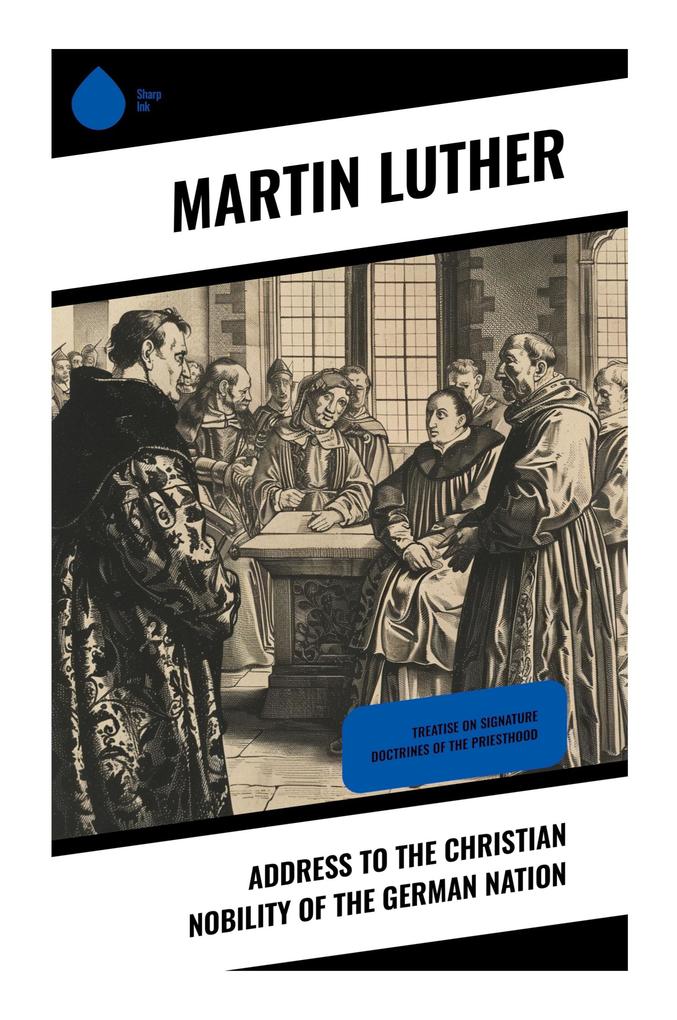
Martin Luther's Address to the Christian Nobility of the German Nation (1520) is one of the decisive manifestos of the Reformation. Written in urgent, polemical prose, it attacks the "three walls" by which Luther believed the Roman hierarchy shielded itself: clerical superiority, exclusive authority to interpret Scripture, and sole power to summon councils. The work combines theological argument, political appeal, and vernacular directness, situating it among the most consequential pamphlets of early modern Europe. Luther, an Augustinian friar and professor at Wittenberg, wrote amid mounting conflict after the Ninety-Five Theses and before his formal excommunication. His experience as biblical scholar, preacher, and critic of indulgences shaped his conviction that reform could not be left to ecclesiastical authorities alone. By addressing German princes and nobles, he sought practical action against abuses while advancing his doctrine of the priesthood of all believers. This book is essential for readers seeking to understand how theological dissent became a public, political force. It rewards those interested in church history, political thought, and the power of print to reshape European society.