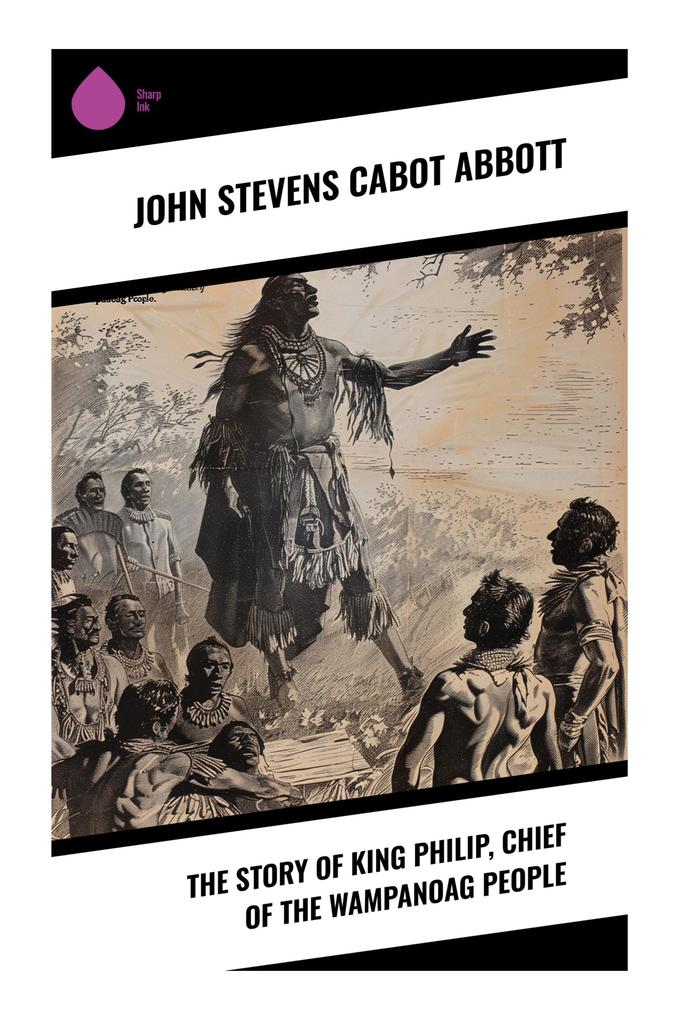
The Story of King Philip, Chief of the Wampanoag People recounts the life of Metacom, known to English colonists as King Philip, and the devastating seventeenth-century conflict remembered as King Philip's War. Abbott writes in the expansive, moralizing style of nineteenth-century popular history, combining biography, military narrative, and providential reflection. Though marked by the assumptions and language of its era, the book is notable for presenting Indigenous resistance as a tragic historical drama shaped by dispossession, cultural collision, and colonial expansion. John Stevens Cabot Abbott (1805-1877), an American clergyman, educator, and prolific historian, was best known for accessible biographies intended to instruct as well as inform. As the brother of Jacob Abbott and a writer for a broad family readership, he brought to history a didactic purpose, seeking moral lessons in the lives of political and military figures. His interest in King Philip reflects antebellum America's fascination with national origins, frontier conflict, and the costs of empire. Readers interested in early American history, Indigenous-colonial relations, or nineteenth-century historiography will find this work valuable. It should be read critically, but its narrative power and historical significance make it a revealing portrait of both Metacom's struggle and Abbott's age.