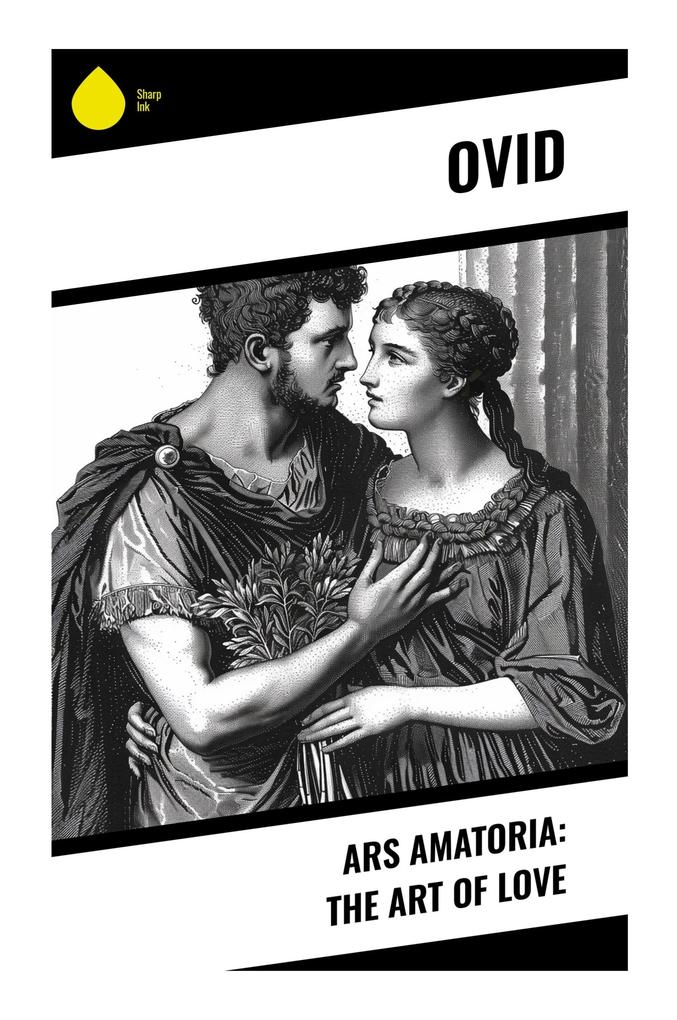
Composed as a witty didactic poem in elegiac couplets, Ars Amatoria instructs Roman men and women in the arts of seduction, courtship, concealment, and social performance. Ovid transforms the solemn authority of instructional poetry into urbane erotic comedy, setting love amid theatres, banquets, porticoes, and public festivals of Augustan Rome. Its brilliance lies in the tension between polished literary artifice, playful moral irreverence, and the conventions of Roman love elegy. Ovid, born Publius Ovidius Naso in 43 BCE, was among the most sophisticated poets of the Augustan age, alongside Virgil, Horace, and Propertius. Trained in rhetoric and attuned to elite urban society, he cultivated a voice at once learned, theatrical, and subversive. The poem's frank treatment of desire and adultery clashed with Augustus's moral reforms and later became associated with the poet's exile to Tomis, though the precise cause remains debated. This book is essential for readers interested in classical literature, gender, desire, and the politics of style. It rewards both first-time readers and specialists with its irony, elegance, and cultural insight. Far from a simple manual of seduction, it is a dazzling study of love as performance, language, and power.