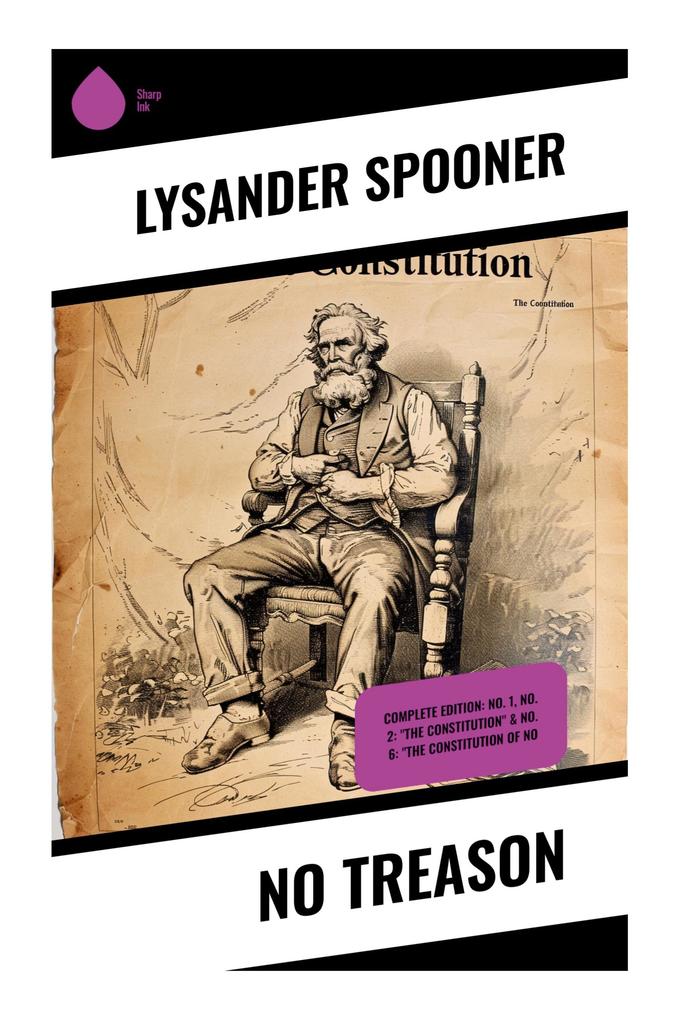
Lysander Spooner's No Treason is a radical and unsparing critique of constitutional authority, written in the aftermath of the American Civil War. Across its related essays, Spooner argues that the Constitution cannot morally or legally bind individuals who have never personally consented to it, and that government by presumed consent is a form of coercion. Its prose is forensic, relentless, and polemical, combining legal reasoning with moral philosophy. Situated within nineteenth-century abolitionist, libertarian, and anti-statist thought, the work challenges triumphalist narratives of Union victory and questions the legitimacy of political obligation itself. Spooner was a lawyer, entrepreneur, abolitionist, and political dissenter whose life furnished the intellectual tools for this argument. His opposition to slavery, skepticism toward state-granted privilege, and experience contesting federal monopolies, notably through his private postal enterprise, shaped his hostility to centralized power. Though he supported the abolition of slavery, he rejected the claim that war or majoritarian rule could sanctify state authority. No Treason is recommended for readers interested in political theory, constitutional interpretation, anarchist thought, and the moral limits of government. It remains provocative, difficult, and indispensable for anyone seeking a rigorous challenge to inherited assumptions about consent, citizenship, and sovereignty.