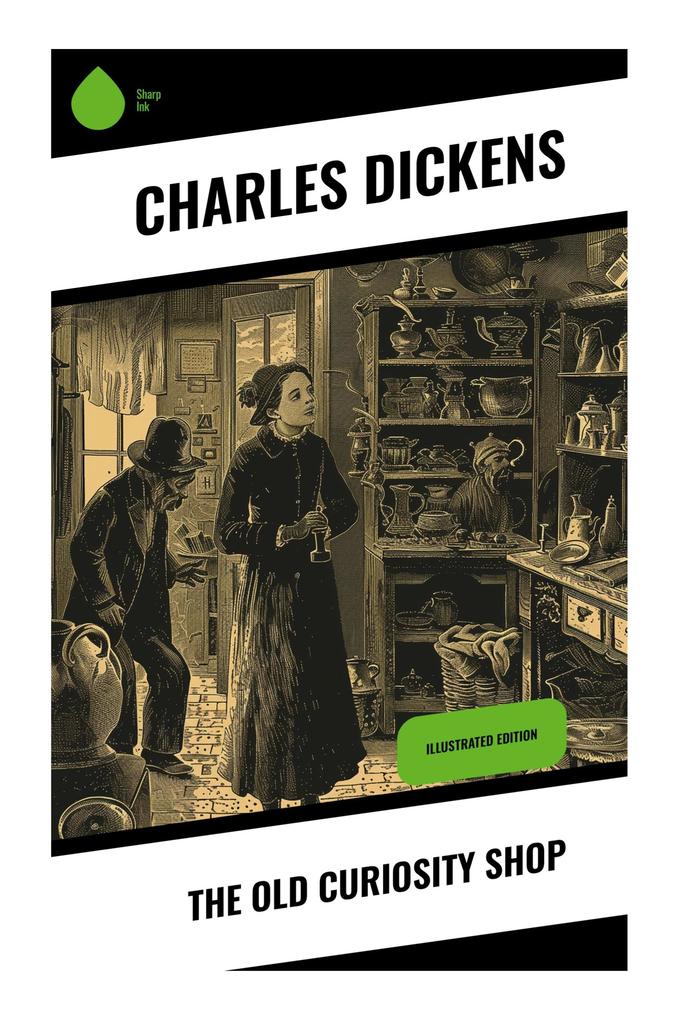
The Old Curiosity Shop is one of Charles Dickens's most affecting explorations of innocence imperiled by a predatory modern world. Centered on Little Nell and her grandfather as they flee the grotesque moneylender Daniel Quilp, the novel blends sentimental pathos, melodrama, social satire, and picaresque movement through urban and rural England. First serialized in Master Humphrey's Clock (1840-41), it reflects Victorian fiction's deep engagement with poverty, mobility, spectacle, and moral feeling. Charles Dickens, already celebrated after The Pickwick Papers, Oliver Twist, and Nicholas Nickleby, drew upon his own childhood acquaintance with debt, insecurity, and London's teeming streets. His father's imprisonment for debt and Dickens's early labor in a blacking factory gave him a lifelong sensitivity to vulnerable children and the indignities of economic dependence. In this novel, that personal memory is transformed into a broader moral drama about exploitation and compassion. Readers interested in Victorian literature, social criticism, and emotionally powerful narrative will find The Old Curiosity Shop essential. Though its sentimentality has divided critics, its imaginative force, memorable grotesques, and mournful vision of innocence make it a defining Dickensian achievement.