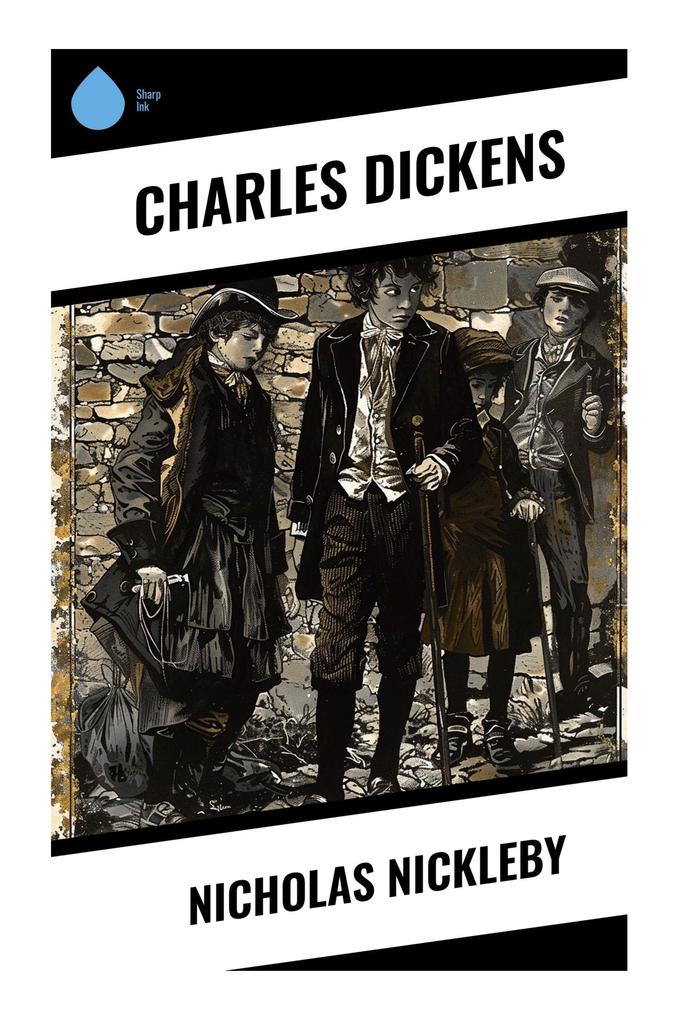
Nicholas Nickleby is Dickens's expansive 1838-39 novel of dispossession, theatrical adventure, and moral education, following its young hero as he resists the predations of his uncle Ralph and the brutal Yorkshire schoolmaster Wackford Squeers. Combining melodrama, social satire, comedy, and pathos, the novel belongs to Dickens's early serial masterpieces, where exuberant plotting and unforgettable caricature expose the cruelties hidden within respectable Victorian institutions. Charles Dickens wrote from intimate knowledge of insecurity, humiliation, and urban struggle. His childhood experience of debt, factory labor, and precarious family fortunes sharpened his lifelong sympathy for vulnerable children and the working poor. In Nicholas Nickleby, this biographical moral urgency converges with his journalistic eye: Dotheboys Hall reflects contemporary scandals in cheap boarding schools, while the theatrical episodes reveal Dickens's fascination with performance, identity, and public life. This novel is highly recommended to readers who want Dickens at his most energetic and reformist. Its villains are grotesquely memorable, its comic scenes richly animated, and its sentiment grounded in a fierce ethical vision. For students of Victorian fiction, it offers a crucial bridge between picaresque entertainment and the socially conscious realism that would define Dickens's mature art.