In this beautifully illustrated book that's Song of Achilles meets Secret Life of Trees, readers will discover the plants cultivated by the Greek Gods–many of which can still be experimented with today–for a myriad of uses.
In Greek mythology, plants were used for tools, intoxication, warfare, food, medicine, magic, and rituals. When Prometheus stole fire from the Olympian gods and gave it to mankind, he hid it in a stalk of giant fennel. Ancient Greeks waiting to question the oracles were given cannabis as part of their cleansing rituals. A quince fruit started the Trojan war. The goddess Demeter was so distraught when Hades kidnapped her daughter that she caused winter to blanket the earth, killing all plants.
Mythic Plants focuses on how the ancient Greeks used plants in their lives and loves and conquests—some of which we can still use.
Includes tips throughout for bringing these ancient plants into your garden.
Inhaltsverzeichnis
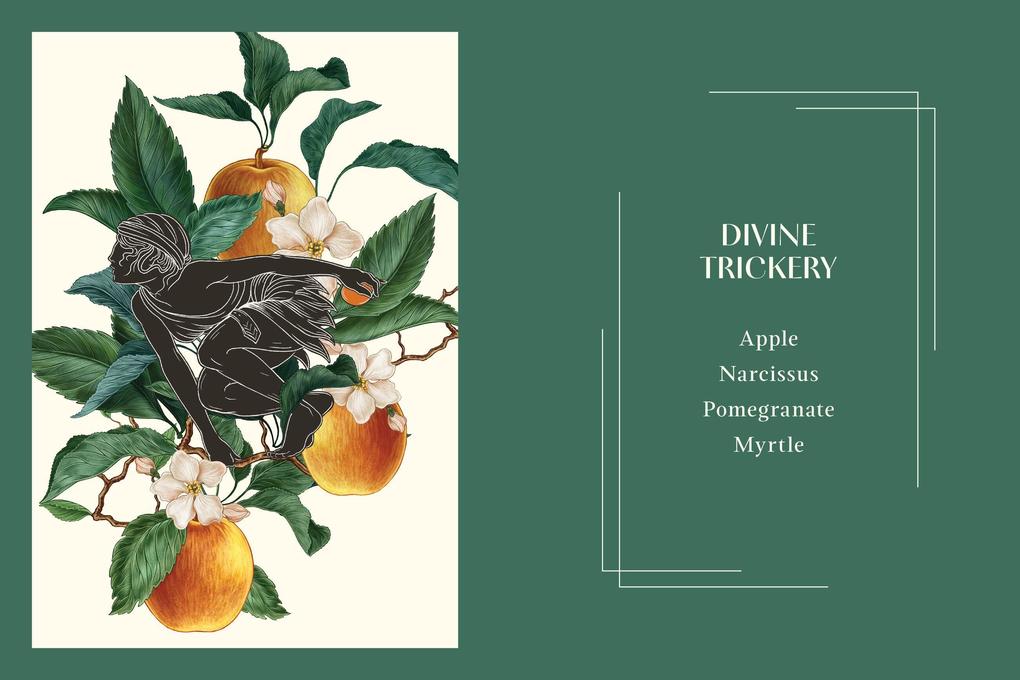
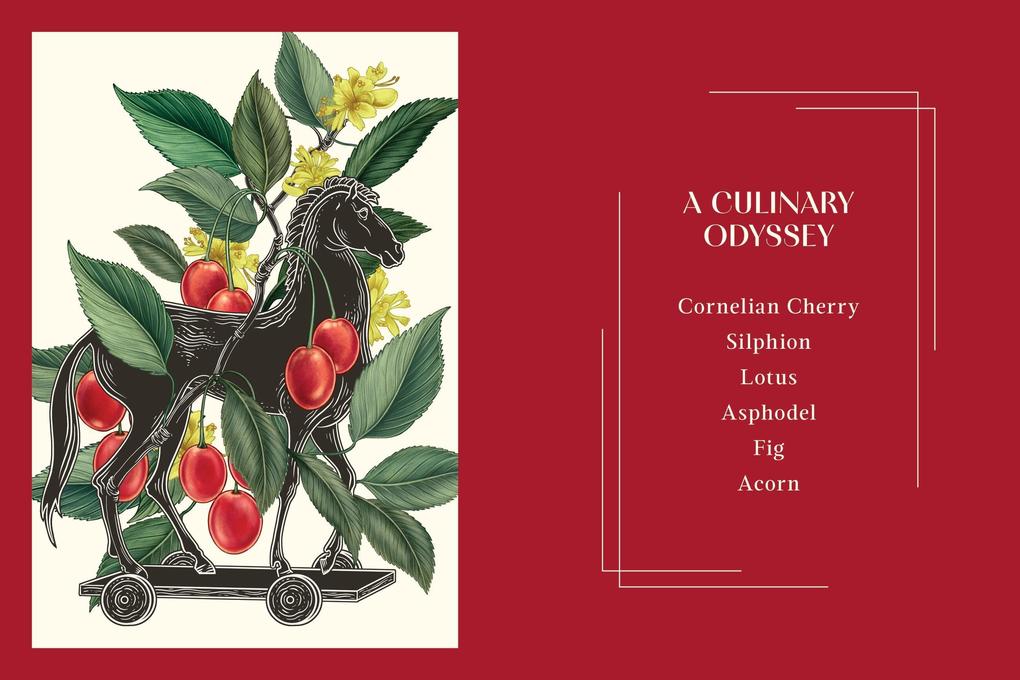
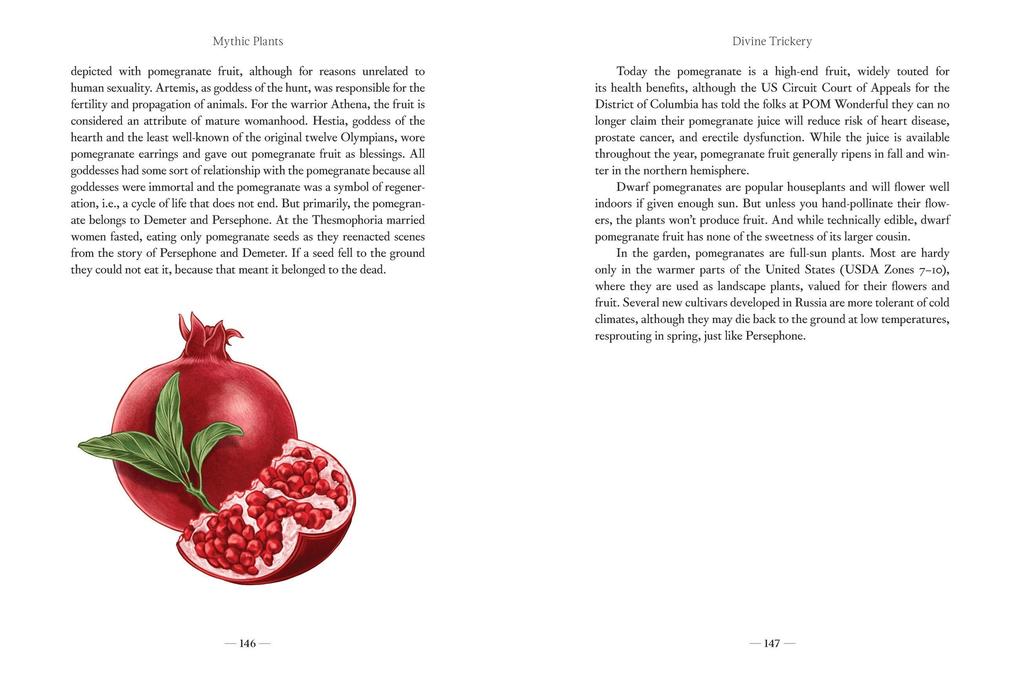
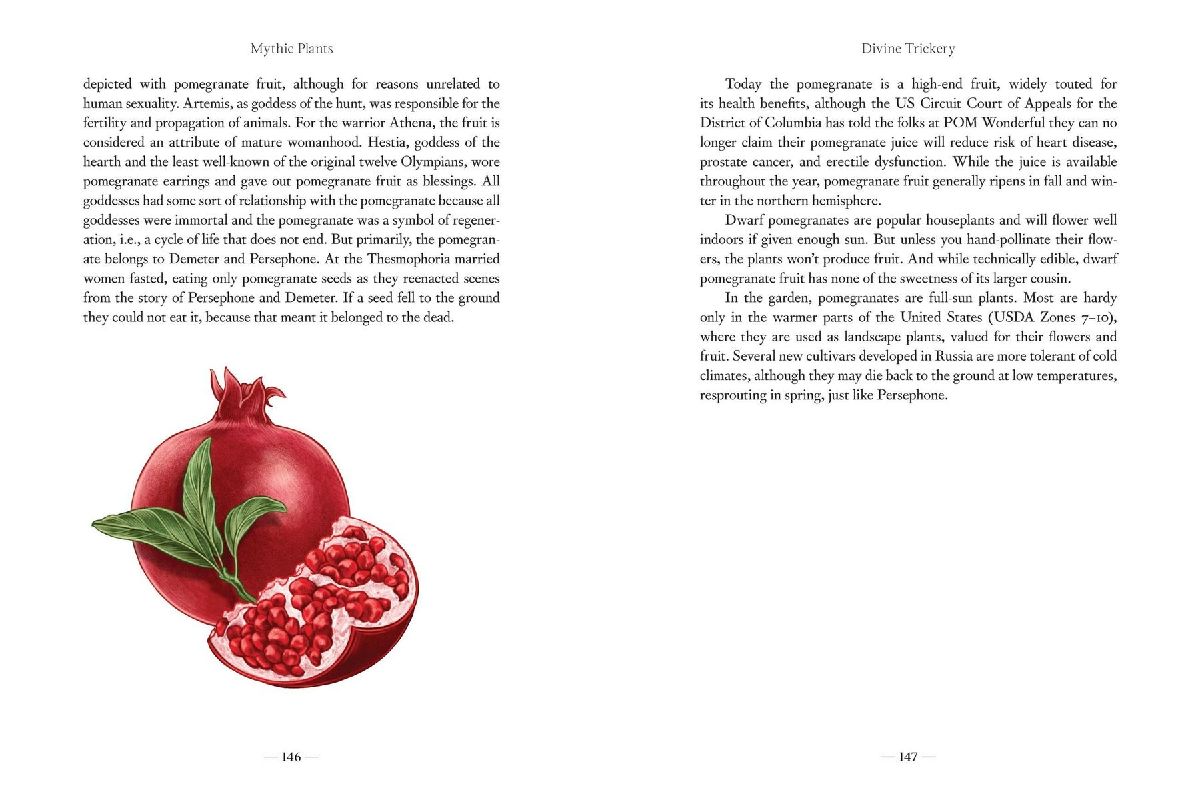
TABLE OF CONTENTS< BR> Introduction< BR> < BR> Intoxicants< BR> Barley< BR> Cannabis< BR> The Flying Herbs< BR> The Grape< BR> Mandrake< BR> The Poppy< BR> < BR> < BR> It’ s All in the Dosage< BR> Aconite< BR> Dittany< BR> Medicinal herbs< BR> Pennyroyal< BR> Poison Hemlock< BR> Yarrow< BR> < BR> A Culinary Odyssey< BR> The Acorn< BR> Asphodel< BR> The Cornelian Cherry< BR> The Fig< BR> The Lotus< BR> Silphion< BR> < BR> Shape Shifters< BR> Laurel< BR> The Linden< BR> Moly< BR> The Mulberry< BR> The Pine< BR> Plant Metamorphoses< BR> < BR> Gifts of the Gods< BR> Fennel< BR> Ivy< BR> The Rose< BR> The Oak< BR> The Olive< BR> Three Trees< BR> < BR> Divine Trickery< BR> The Apple< BR> Myrtle< BR> The Narcissus< BR> The Pomegranate< BR> < BR> Love Potions and Libido Killers< BR> The Chaste Tree< BR> Lettuce< BR> Myrrh< BR> The Quince< BR> < BR> Epilogue< BR> < BR> Appendix – Ancient Authors< BR>