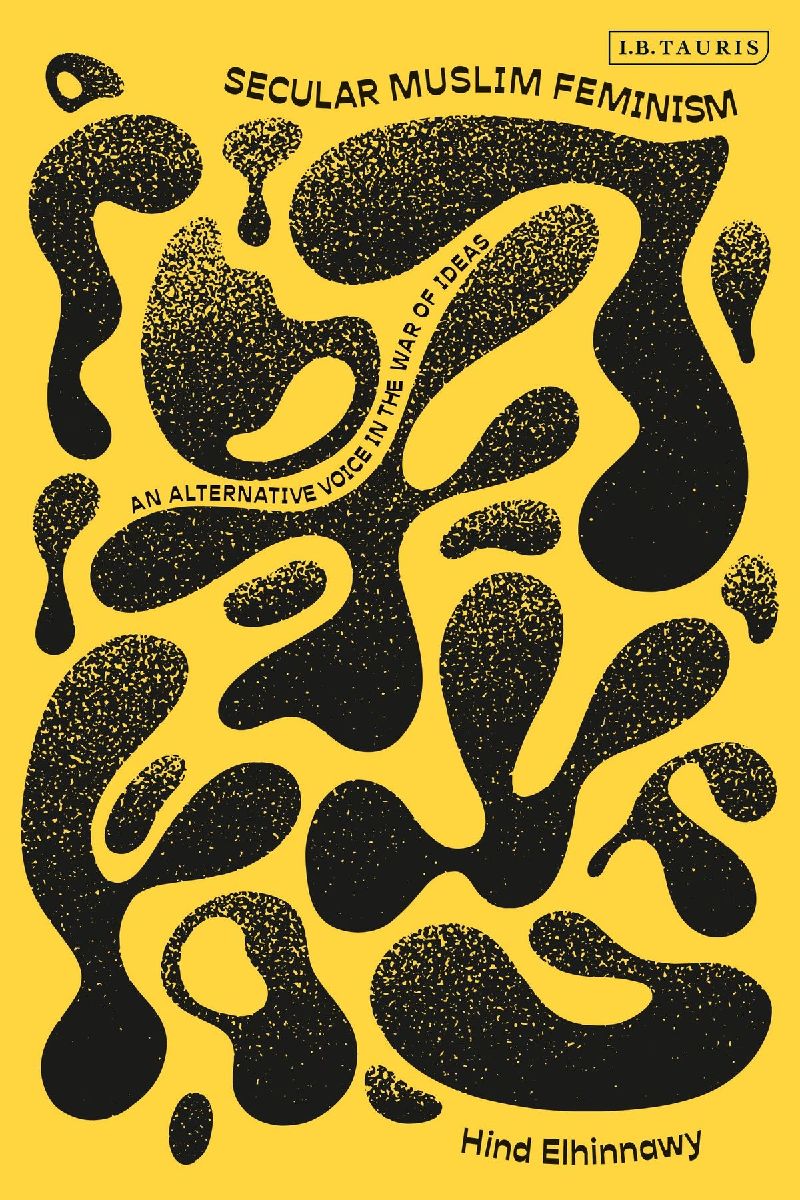
For over a century, Muslim women have championed their own brand of feminism, rooted in human rights principles and a deep understanding of their diverse cultural contexts. Yet, secular Muslim feminism remains shrouded in misunderstanding and contention.
This book boldly confronts the complexities and controversies surrounding this contested concept, offering a nuanced exploration of its potential to bridge divides and empower women. The book challenges the simplistic portrayals of Muslim women, dismantling the harmful narratives of oppression and victimhood propagated by both Western and Islamist agendas. It critiques the selective glorification of religious agency by some feminists, recognizing how this can inadvertently reinforce patriarchal ideologies. Additionally, it exposes the hijacking of the secular Muslim feminist movement by the far-right, disguised as advocates for women's rights but fueled by anti-Muslim sentiments. Drawing on over two decades of personal observations and interactions with diverse organizations in the Middle East and Europe, the book delves into the heart of secular Muslim feminism, dissecting its nuances and potential to reconcile divergent perspectives. It amplifies these voices, challenging the misrepresentation and limitations imposed by external agendas.
Secular Muslim Feminism emerges as a bold and transformative force, redefining the boundaries of equality and empowering women to shape their destinies. It offers a nuanced and critical framework for understanding the complex realities of Muslim women's lives, paving the way for a more just and equitable future.
Inhaltsverzeichnis
Preface< BR> Acknowledgments< BR> Note on text/transliteration< BR> Glossary< BR> Abbreviations< BR> < BR> I. Introduction< BR> Situating secular Muslim feminism< BR> Unpacking 'secular'-'Muslim'-'feminism'< BR> The power and pitfalls of terminology< BR> Navigating methodological challenges< BR> The organizing of the book< BR> < BR> II. Demystifying secular Muslim feminism< BR> Don't label me! < BR> Which 'Muslim woman'? < BR> Which 'feminism'? < BR> And whose 'Islam'? < BR> A 'secular' champion of religious freedom< BR> Challenging multiple fronts< BR> Emerging counter-narratives? < BR> < BR> III. Islam, feminism, and secular resistance< BR> Early feminist consciousness< BR> Muslim women's scholarship< BR> Muslim women's activism< BR> Between the religious and the secular< BR> < BR> IV. The politics of 'saving' the Muslim woman< BR> Orientalism then and now< BR> Orientalism, gender, and empire< BR> In the crossfires of change< BR> The unresolved legacies of colonialism< BR> Mapping feminist responses< BR> Navigating the path ahead< BR> < BR> V. Beyond resistance versus subservience< BR> Theorizing 'agency'< BR>'Piety' and the 'agency' turn< BR> The limits of pietist 'agency'< BR> Beyond faith and agency< BR> < BR> VI. Islam, secularism, and the woman's question< BR> Secularism in a post-secular age< BR> Secularism confronts Islam< BR> The 'Muslim' woman's question< BR> Secularism in the Muslim world< BR> Beyond Western conceptualizations< BR> Reimagining Secularism< BR> < BR> VII. Can the secular Muslim feminist speak? < BR> Silenced voices in their homelands< BR> Dismissed by the international community< BR> The 'native informant' conundrum< BR> The impasse of apologism< BR> The limits of relativism (and) universalism< BR> Solidarity across difference is possible! < BR> < BR> Concluding remarks< BR> < BR> About the Author< BR> Abstract< BR> Notes< BR> Bibliography< BR> Index