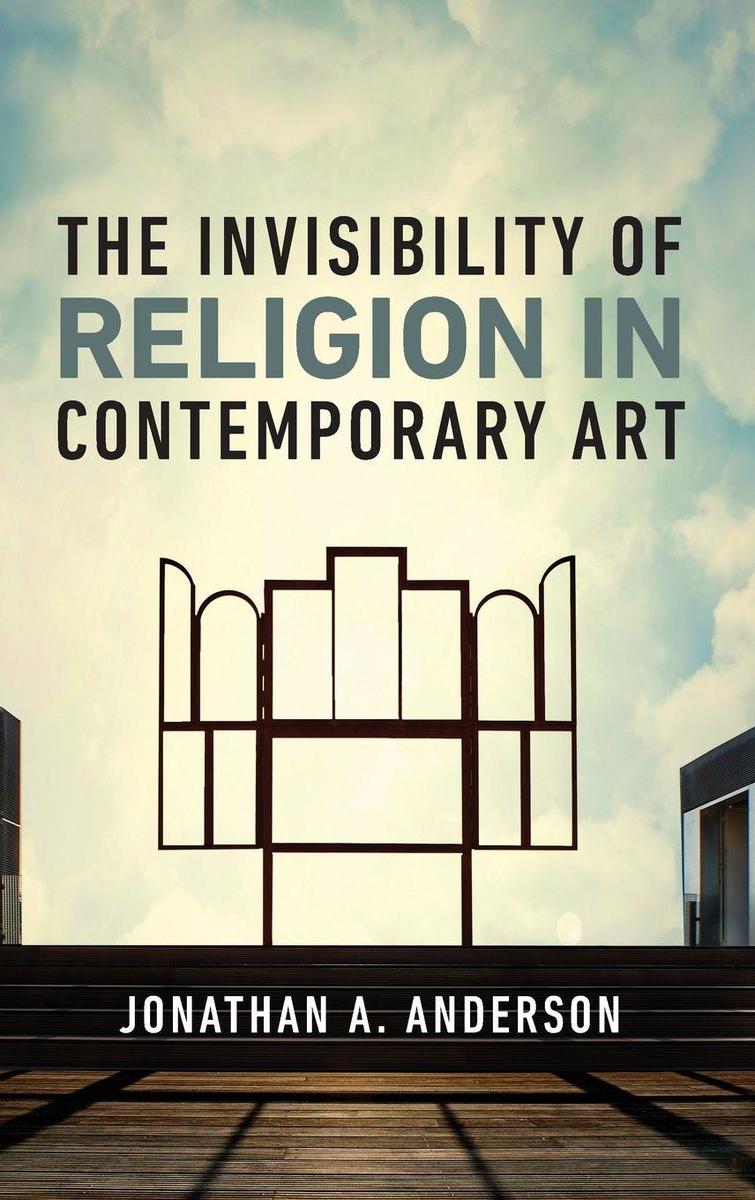
The Invisibility of Religion in Contemporary Art offers a critical guide for rereading and rethinking religion in the histories of modern and contemporary art.
Since the turn of the twenty-first century, there has been a marked increase in attention to religion and spirituality in contemporary art among artists and scholars alike, but the resulting scholarship is underdeveloped, lacking a sustained discourse that holds up as both scholarship of art and scholarship of religion. The Invisibility of Religion in Contemporary Art is both a critical study of this situation and an adjustment to it, offering a much-needed field guide to the current discourse of contemporary art and religion. By connecting the work of leading art historians, theologians, philosophers, and sociologists, Anderson opens new lines of inquiry and invites deeper dialogue about the theological grammars, histories, and concepts at play in contemporary art.
Inhaltsverzeichnis
List of Figures
List of Tables and Diagram
Acknowledgments
Introduction
Part 1. The Invisibility of Religion in Twentieth-Century Art History
1. 1979
2. 2004
Part 2. The New Visibility of Religion in Contemporary Art
3. Contemporary Art and Religion: Mapping the Terrain
4. Contemporary Art and Religion: Four Horizons
Interlude
Part 3. Contemporary Art and Theology
5. An Experiment in Art Writing: Kris Martin's Altar (2014)
6. Art Criticism within a Theological Horizon
Conclusion
Appendix. Exhibitions Addressing Religion in Contemporary Art, 1974-2024
Expanded Appendices available online at jonathan-anderson.com/appendices
Notes
Bibliography
Index